16 Somvaar Vrat Katha
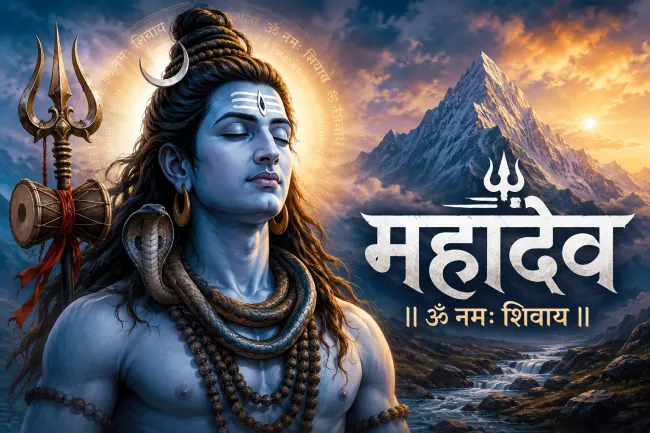
The 16 Somvaar Vrat Katha is a highly revered devotional story associated with the worship of Lord Shiva. This sacred vrat (fast) is observed for sixteen consecutive Mondays with faith, discipline, and devotion to seek the blessings of Lord Shiva. It is one of the most popular Shiva vrats and is performed by devotees for happiness, prosperity, fulfillment of desires, good health, successful marriage, family harmony, and spiritual growth.
The story of the 16 Somvaar Vrat emphasizes the infinite compassion and grace of Lord Shiva. According to the traditional katha, there was once a devoted worshipper who observed the Monday fast with complete faith and sincerity. Through the blessings of Lord Shiva, the devotee's difficulties, sorrows, and obstacles gradually disappeared, and life became filled with peace, prosperity, and success. The katha teaches that sincere devotion is more important than wealth, status, or elaborate rituals.
One of the central messages of the story is that Lord Shiva is Bholenath, the simple-hearted and compassionate deity who is easily pleased by genuine devotion. The vrat demonstrates that those who worship him with a pure heart, perform righteous actions, and maintain faith during difficult times receive his divine protection and guidance.
The 16 Somvaar Vrat Katha also highlights the importance of patience and perseverance. Many devotees in the story face hardships, delays, or challenges, but through continuous observance of the vrat and unwavering faith in Lord Shiva, they eventually attain their wishes. This teaches that blessings often come through dedication, discipline, and trust in divine timing.
Another important theme of the katha is the significance of truthfulness, humility, and gratitude. The story explains that devotees should not become proud after receiving blessings. Instead, they should remain humble, continue their devotion, and use their success for the welfare of others. Lord Shiva's grace is believed to increase when a devotee lives a life of honesty, kindness, and righteousness.
The vrat is particularly popular among unmarried men and women seeking a suitable life partner, as Lord Shiva and Goddess Parvati are regarded as the ideal divine couple. Married devotees also observe this fast for marital happiness, family well-being, and the prosperity of their household.
The katha further teaches that material success alone is not the ultimate goal of life. Through devotion to Lord Shiva, devotees are encouraged to develop inner peace, self-control, compassion, and spiritual wisdom. The vrat is therefore considered beneficial not only for fulfilling worldly desires but also for achieving spiritual upliftment.
Traditionally, devotees observe the fast on sixteen consecutive Mondays, worship the Shiva Lingam, offer water, milk, Bilva leaves, flowers, and chant sacred mantras such as "Om Namah Shivaya." They listen to or recite the 16 Somvaar Vrat Katha and conclude the observance with prayers seeking Lord Shiva's blessings.
Overall, the 16 Somvaar Vrat Katha is an inspiring story of faith, devotion, patience, and divine grace. It teaches that sincere worship of Lord Shiva can remove obstacles, fulfill righteous desires, bring peace and prosperity, and guide devotees toward a life of spiritual growth and divine blessings. The katha continues to inspire millions of devotees to place their trust in Lord Shiva and walk the path of devotion, humility, and righteousness.
The 16 Somvaar Vrat Katha is one of the most popular and sacred devotional traditions dedicated to Lord Shiva. The term “Somvaar” means Monday, the day especially devoted to Lord Shiva, while “Vrat” refers to a religious fast observed with faith, devotion, and self-discipline. This sacred vrat is performed for sixteen consecutive Mondays to seek the blessings of Lord Shiva for happiness, prosperity, good health, successful marriage, family harmony, and spiritual growth.
The story associated with the 16 Somvaar Vrat is deeply rooted in the belief that Lord Shiva is the most compassionate and easily pleased deity. He is lovingly known as Bholenath, meaning the innocent and kind-hearted Lord who grants blessings to sincere devotees regardless of their social status, wealth, or background. The katha emphasizes that pure devotion, faith, and righteous conduct are the keys to receiving Shiva’s divine grace.
According to traditional versions of the katha, there was once a devotee who faced numerous hardships, challenges, and disappointments in life. Despite these difficulties, the devotee maintained unwavering faith in Lord Shiva and began observing the 16 Somvaar Vrat with complete dedication. Every Monday, the devotee worshipped Lord Shiva, listened to the vrat katha, offered prayers, and followed the fasting rules with sincerity.
As time passed, Lord Shiva became pleased with the devotee’s devotion and gradually removed all obstacles from their life. Problems that once seemed impossible to overcome began to disappear. Prosperity, happiness, and success entered the devotee’s life, demonstrating the power of faith and the compassionate nature of Lord Shiva. The story teaches that sincere worship combined with patience and perseverance can bring positive transformation.
One of the central teachings of the 16 Somvaar Vrat Katha is the importance of faith during difficult times. The devotee in the story does not abandon their devotion when faced with challenges. Instead, they continue their worship with trust in Lord Shiva. This teaches that spiritual progress often requires patience and that divine blessings may come gradually rather than immediately.
The katha also highlights the values of truthfulness, humility, kindness, and gratitude. It explains that devotees should remain humble even after receiving blessings. Success and prosperity should not lead to pride or selfishness. Instead, one should continue to worship God, help others, and live a life based on moral and spiritual principles.
For unmarried men and women, the vrat is often observed with the hope of finding a suitable life partner. Lord Shiva and Goddess Parvati are considered the ideal example of marital harmony, love, and devotion. Therefore, many devotees believe that observing the 16 Somvaar Vrat helps them receive blessings for a happy and successful marriage.
Married devotees also perform this vrat for the well-being of their family, the health and success of their children, financial stability, and peace in their household. The vrat is considered beneficial for removing obstacles, resolving family disputes, and creating a positive and harmonious environment.
The observance of the vrat typically includes fasting on Mondays, worshipping the Shiva Lingam, offering water, milk, Bilva leaves, flowers, fruits, and chanting sacred mantras such as “Om Namah Shivaya.” Devotees listen to or recite the 16 Somvaar Vrat Katha and pray for the fulfillment of their wishes and the blessings of Lord Shiva.
Beyond material benefits, the 16 Somvaar Vrat has deep spiritual significance. It encourages self-discipline, control of desires, purity of mind, and devotion to God. Through regular worship and fasting, devotees develop inner strength, patience, and spiritual awareness. The vrat reminds people that true happiness comes not only from worldly achievements but also from inner peace and connection with the Divine.