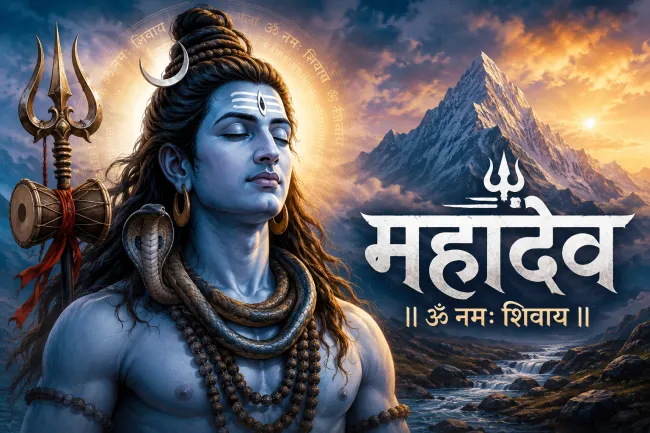
Shivratri Pooja
Shivratri Pooja is one of the most sacred and spiritually uplifting forms of worship dedicated to Lord Shiva. The festival, especially Maha Shivaratri, is observed by millions of devotees with great faith, devotion, fasting, prayer, and meditation. The word Shivratri means "The Night of Lord Shiva," and it is regarded as a highly auspicious occasion for spiritual growth, self-purification, and divine blessings.
The central purpose of Shivratri Pooja is to honor Lord Shiva, seek his grace, and strengthen one's spiritual connection with the Divine. The festival symbolizes the victory of wisdom over ignorance, light over darkness, and spiritual awareness over worldly attachment. Devotees believe that worshipping Lord Shiva on this sacred night brings peace, prosperity, protection, and spiritual progress.
One of the most important aspects of Shivratri Pooja is fasting. Devotees observe a fast as an act of self-discipline and devotion. The fast helps purify the body and mind, reduce worldly distractions, and increase spiritual focus. Through fasting, devotees learn self-control and dedicate their energy to prayer and meditation.
The worship of the Shiva Lingam forms the heart of the Shivratri celebration. The Shiva Lingam symbolizes the infinite and eternal nature of Lord Shiva. Devotees perform Abhishekam, the ritual bathing of the Lingam with sacred offerings such as water, milk, yogurt, honey, ghee, and sandalwood paste. These offerings represent purity, devotion, prosperity, wisdom, and spiritual awakening. The ritual symbolizes the purification of the devotee's mind and soul.
The offering of Bilva (Bel) leaves is considered especially sacred during Shivratri. Bilva leaves are believed to be extremely dear to Lord Shiva and symbolize purity, devotion, and spiritual consciousness. Offering them with faith is regarded as highly meritorious and spiritually beneficial.
A major part of Shivratri worship involves the chanting of sacred mantras and hymns. The most commonly recited mantra is:
"Om Namah Shivaya"
This powerful mantra is believed to purify the mind, awaken inner consciousness, and invoke Lord Shiva's divine blessings. Devotees also recite Shiva Chalisa, Mahamrityunjaya Mantra, Shiva Mahimna Stotra, Rudram, and other sacred prayers throughout the day and night.
Another significant feature of Shivratri Pooja is the observance of Jagaran, or staying awake throughout the night. Devotees spend the night engaged in prayer, meditation, devotional singing, and scriptural recitation. This night vigil symbolizes spiritual alertness and the awakening of higher consciousness. It teaches that one should remain spiritually awake and not be overcome by ignorance and worldly distractions.
The festival also highlights Lord Shiva's role as the Adi Yogi, the first yogi and supreme master of meditation. Devotees meditate upon Shiva's serene form and seek to cultivate qualities such as peace, self-control, wisdom, compassion, and detachment. Meditation during Shivratri is believed to be especially powerful because of the heightened spiritual energy associated with the occasion.
Spiritually, Shivratri teaches the importance of overcoming negative qualities such as anger, greed, pride, jealousy, attachment, and fear. Lord Shiva's life and symbolism inspire devotees to lead a life of simplicity, humility, truthfulness, and self-discipline. The festival encourages self-reflection and personal transformation.
The celebration also reminds devotees that material possessions and worldly achievements are temporary, while spiritual wisdom and divine realization are eternal. Through worship, fasting, and meditation, devotees seek to move beyond the limitations of the ego and discover the deeper purpose of life.
According to traditional beliefs, sincere observance of Shivratri Pooja brings numerous blessings. Devotees believe it helps remove obstacles, reduce negative influences, improve mental peace, strengthen family harmony, promote good health, and attract prosperity. More importantly, it deepens devotion and supports the journey toward spiritual enlightenment.
Shivratri Pooja is one of the most sacred and spiritually significant forms of worship dedicated to Lord Shiva. The word Shivratri means “The Night of Lord Shiva”, and it is observed with great devotion by millions of devotees across the world. Among all Shivratri celebrations, Maha Shivaratri is considered the most important and auspicious. This holy festival symbolizes devotion, self-discipline, spiritual awakening, and the victory of wisdom over ignorance.
Shivratri is not merely a religious observance but a profound spiritual event that encourages devotees to deepen their connection with Lord Shiva through prayer, meditation, fasting, and worship. It is believed that on this sacred night, the divine energies of Lord Shiva are especially powerful, making it an ideal time for spiritual practices and self-transformation.
Significance of Shivratri
According to Hindu tradition, Maha Shivratri commemorates several sacred events associated with Lord Shiva. Some traditions believe it marks the divine marriage of Lord Shiva and Goddess Parvati, symbolizing the union of consciousness and energy. Others believe it is the night when Lord Shiva manifested as the infinite cosmic pillar of light known as the Jyotirlinga.
Spiritually, Shivratri represents the overcoming of darkness, ignorance, and negative tendencies. It reminds devotees to rise above worldly attachments and focus on self-realization and divine consciousness. The festival teaches that through devotion and spiritual discipline, one can attain inner peace and liberation.
Preparation for Shivratri Pooja
The preparation for Shivratri Pooja begins early in the morning. Devotees wake up before sunrise, take a holy bath, and wear clean or traditional clothes. The home temple or worship area is cleaned and decorated with flowers, lamps, and sacred symbols.
Many devotees visit Shiva temples on this day and participate in special worship ceremonies. Others perform the pooja at home by installing a Shiva Lingam or placing an image of Lord Shiva on a clean altar.
The atmosphere during Shivratri is filled with devotion, chanting, meditation, and spiritual reflection. The entire day and night are dedicated to remembering and worshipping Lord Shiva.
The Importance of Fasting
Fasting is one of the most important aspects of Shivratri observance. Devotees undertake a fast to purify the body and mind and strengthen their spiritual focus.
Some devotees observe a complete fast without food, while others consume fruits, milk, and water. The purpose of fasting is not merely physical restraint but the cultivation of self-discipline and detachment from worldly desires.
The fast symbolizes the devotee's commitment to spiritual growth and devotion to Lord Shiva. It helps create a state of mental clarity and spiritual awareness conducive to prayer and meditation.
Worship of the Shiva Lingam
The central ritual of Shivratri Pooja is the worship of the Shiva Lingam, which symbolizes the infinite and eternal nature of Lord Shiva.
Devotees perform Abhishekam, the ceremonial bathing of the Shiva Lingam, using various sacred substances such as:
- Pure water
- Milk
- Yogurt
- Honey
- Ghee
- Sugar
- Sandalwood paste
Each offering carries symbolic significance and represents purification, devotion, prosperity, sweetness, wisdom, and spiritual illumination.
As these offerings are poured over the Lingam, devotees chant prayers and mantras while meditating on Lord Shiva's divine presence.
Significance of Bilva Leaves
One of the most sacred offerings during Shivratri Pooja is the Bilva (Bel) leaf.
Bilva leaves are believed to be especially dear to Lord Shiva. Their three leaflets symbolize Shiva's three eyes, the three Gunas, and various aspects of divine consciousness.
Offering Bilva leaves during Shivratri is considered highly auspicious and is believed to bring spiritual merit, peace, and divine blessings.
Chanting of Sacred Mantras
The chanting of Shiva mantras forms an essential part of Shivratri worship.
The most widely recited mantra is:
"Om Namah Shivaya"
This sacred Panchakshari Mantra is considered one of the most powerful spiritual chants. Continuous repetition of this mantra helps purify the mind, increase concentration, and strengthen devotion.
Devotees also recite:
- Mahamrityunjaya Mantra
- Shiva Chalisa
- Shiva Mahimna Stotra
- Rudram
- Lingashtakam
- Shiva Ashtakam
The vibrations created by these sacred hymns are believed to generate positive spiritual energy and elevate consciousness.
Night Vigil (Jagaran)
One of the unique aspects of Shivratri Pooja is the observance of Jagaran, or staying awake throughout the night.
Devotees spend the night engaged in prayer, chanting, meditation, reading sacred scriptures, and singing devotional songs. The night vigil symbolizes spiritual alertness and the awakening of higher consciousness.
Remaining awake is considered an act of devotion and self-discipline. It represents the effort to remain spiritually aware rather than falling into the sleep of ignorance and attachment.
Meditation on Lord Shiva
Meditation plays a crucial role during Shivratri. Lord Shiva is revered as the Adi Yogi, the first yogi and supreme master of meditation.
Devotees meditate upon Shiva's peaceful form, visualizing him seated in deep meditation on Mount Kailash. Through meditation, they seek inner peace, self-awareness, and spiritual transformation.
The stillness of Shiva's meditative presence inspires practitioners to calm their minds and connect with their inner divine nature.
Spiritual Teachings of Shivratri
Shivratri conveys many profound spiritual lessons.
It teaches that true happiness comes from within and not from external possessions. Lord Shiva's simple appearance and detached lifestyle remind devotees that material wealth is temporary, while spiritual wisdom is eternal.
The festival encourages individuals to overcome negative qualities such as:
- Anger
- Greed
- Jealousy
- Pride
- Attachment
- Fear
By cultivating devotion, humility, compassion, and self-discipline, devotees move closer to spiritual realization.
Benefits of Shivratri Pooja
Devotees believe that sincere observance of Shivratri brings numerous benefits:
Spiritual Benefits
- Increased devotion to Lord Shiva
- Purification of the mind and heart
- Growth in spiritual awareness
- Inner peace and contentment
- Progress toward self-realization