Lord Shiva Bhajan
Lord Shiva is one of the principal deities of Hinduism and is revered as the Supreme Lord of transformation, destruction, meditation, and spiritual enlightenment. He is a member of the sacred Trimurti, alongside Lord Brahma and Lord Vishnu. While Brahma is responsible for creation and Vishnu for preservation, Shiva performs the divine role of dissolution. However, this destruction is not negative; it signifies the removal of evil, ignorance, and obstacles so that renewal and spiritual growth can occur.
Widely worshipped as Mahadeva, Bholenath, Shankara, Rudra, and Neelkantha, Lord Shiva is considered the embodiment of supreme consciousness, infinite compassion, and divine power. His worship extends across India and the world, attracting devotees from all walks of life who seek peace, wisdom, strength, and liberation.
The Divine Nature of Lord Shiva
Lord Shiva represents the eternal truth that exists beyond birth and death. Unlike ordinary beings, he is considered timeless, formless, and all-pervading. Hindu scriptures describe him as both the creator and destroyer of illusion, guiding souls toward self-realization and liberation.
He symbolizes detachment from material desires and teaches that true happiness comes from spiritual understanding rather than worldly possessions. Through his divine example, Shiva inspires devotees to cultivate humility, self-control, and devotion.
Symbolism of Shiva’s Form
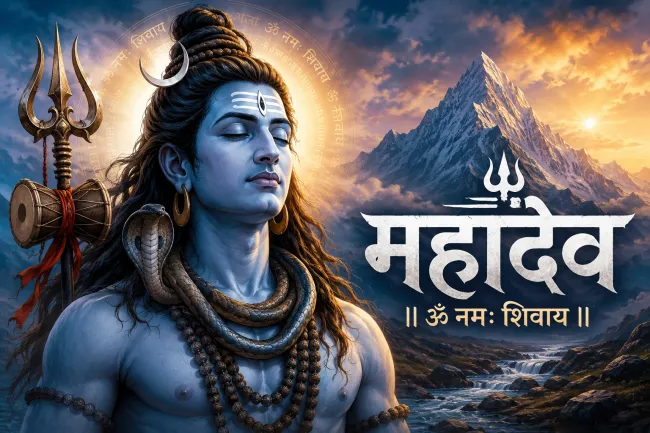
Every aspect of Lord Shiva's appearance carries deep spiritual significance. His matted hair symbolizes mastery over the mind and senses, while the sacred river Ganga flowing from his locks represents purity and divine grace. The crescent moon on his head signifies control over time and the cyclical nature of existence.
His third eye represents higher wisdom and spiritual insight capable of destroying ignorance and illusion. The blue throat, earned after consuming the deadly poison Halahala during the cosmic ocean churning, symbolizes sacrifice and protection of the universe. The serpent around his neck represents fearlessness and mastery over death, while the sacred ash covering his body reminds devotees of the temporary nature of worldly life.
Together, these symbols convey profound spiritual lessons about self-awareness, detachment, courage, and divine knowledge.
Lord Shiva as Adiyogi
Lord Shiva is honored as Adiyogi, the first yogi and the originator of yoga. Ancient traditions describe him as the supreme teacher who revealed the science of yoga and meditation to humanity. Through his teachings, seekers learned how to attain inner peace, self-realization, and union with the Divine.
His meditative form reflects complete stillness and control over the mind. Yogis and spiritual aspirants worship Shiva as the ideal example of discipline, concentration, and enlightenment. His life teaches that spiritual growth is achieved through dedication, meditation, and self-discovery.
Shiva as the Compassionate Lord
Although Lord Shiva possesses immense cosmic power, he is known for his kindness, simplicity, and compassion. He is lovingly called Bholenath because he is easily pleased by sincere devotion and pure intentions. Unlike many who judge by status or wealth, Shiva responds to genuine faith and humility.
Hindu scriptures contain countless stories in which Lord Shiva blesses devotees, sages, gods, and even those who have made mistakes but seek forgiveness with a sincere heart. His compassion extends to all beings, making him one of the most beloved deities in Hinduism.
The Divine Family of Shiva
Lord Shiva’s family holds a special place in Hindu tradition. His consort, Goddess Parvati, represents divine energy, love, and devotion. Together, Shiva and Parvati symbolize the inseparable union of consciousness and energy, known as Shiva and Shakti.
Their son Lord Ganesha is worshipped as the remover of obstacles and the lord of wisdom, while Lord Kartikeya is revered as the god of courage, leadership, and victory. The Shiva family is regarded as an ideal model of harmony, mutual respect, and spiritual balance.
Shiva as Nataraja
One of the most profound forms of Lord Shiva is Nataraja, the Lord of Dance. In this form, he performs the cosmic dance known as the Tandava. This divine dance symbolizes the eternal rhythm of creation, preservation, and destruction that governs the universe.
The dance of Nataraja teaches that change is a natural and necessary part of existence. Through destruction comes renewal, and through transformation comes progress. This concept reflects the dynamic and ever-changing nature of life itself.
Importance of Shiva Worship
The worship of Lord Shiva occupies a central place in Hindu spiritual practice. Devotees offer prayers, water, milk, Bilva leaves, flowers, and sacred chants to the Shiva Linga, which symbolizes the infinite and formless nature of the Divine.
Special occasions such as Maha Shivaratri, Shravan month, and Rudrabhishek ceremonies are dedicated to Shiva worship. These observances are believed to bring spiritual merit, inner peace, prosperity, protection, and liberation from negative influences.
The sacred mantra “Om Namah Shivaya” is one of the most powerful and widely chanted mantras. It helps devotees purify their minds, deepen their devotion, and connect with the divine presence of Lord Shiva.
Spiritual Teachings of Lord Shiva
The teachings associated with Lord Shiva emphasize truth, simplicity, self-discipline, compassion, and spiritual awakening. He encourages devotees to overcome ego, anger, greed, and attachment while cultivating wisdom, devotion, and inner strength.
Shiva teaches that the ultimate goal of life is self-realization and union with the Supreme Reality. By following the path of righteousness and devotion, individuals can transcend worldly suffering and attain lasting peace and liberation.
Conclusion
Lord Shiva is the embodiment of supreme consciousness, divine wisdom, compassion, and transformative power. He is the destroyer of ignorance, the protector of devotees, the source of yoga and meditation, and the guide toward spiritual liberation. His life, symbols, and teachings offer profound lessons about inner peace, self-mastery, and the eternal nature of the soul.
Lord Shiva is one of the most revered and worshipped deities in Hinduism. He is known as the Supreme Lord of transformation, destruction, meditation, and spiritual awakening. As a member of the Holy Trinity (Trimurti), Lord Shiva performs the divine function of dissolution, while Lord Brahma creates the universe and Lord Vishnu preserves it. However, Shiva's role as the destroyer is not one of negativity or annihilation; rather, it represents the removal of ignorance, ego, and evil to pave the way for new creation, growth, and spiritual evolution.
Lord Shiva is often called Mahadeva (the Great God), Bholenath (the Innocent and Compassionate Lord), Shankara (the Bestower of Auspiciousness), Rudra (the Roaring One), Neelkantha (the Blue-Throated Lord), and Maheshwara (the Supreme Lord). He is worshipped by millions of devotees across the world as the embodiment of supreme consciousness, compassion, wisdom, and divine power.
The Divine Appearance of Lord Shiva
The iconography of Lord Shiva is filled with profound spiritual symbolism. He is usually depicted as a serene yogi seated in deep meditation atop Mount Kailash, the sacred abode where he resides with Goddess Parvati and his divine family.
His matted locks (Jata) symbolize mastery over the mind and complete control over worldly desires. The holy river Ganga flows from his hair, representing purification, divine grace, and the flow of spiritual knowledge. The crescent moon adorning his head signifies control over time and the cyclical nature of creation.
Lord Shiva's third eye represents divine wisdom and higher consciousness. It is said that when opened, this eye destroys ignorance, illusion, and evil. His blue throat, earned during the churning of the cosmic ocean, symbolizes his willingness to absorb suffering and protect the universe.
The serpent Vasuki coiled around his neck represents fearlessness, power, and control over death. The sacred ash (Vibhuti) covering his body reminds devotees of the impermanence of material existence and the eternal nature of the soul.
Lord Shiva as the Supreme Yogi
Lord Shiva is regarded as the Adiyogi, the first yogi and the originator of yoga. Ancient scriptures describe him as the source of spiritual wisdom and meditation. Through his teachings, humanity learned the paths of self-realization, inner peace, and liberation.
As the Lord of Yoga, Shiva inspires seekers to transcend worldly attachments and discover their true spiritual nature. His meditative posture symbolizes perfect stillness, self-control, and union with the Supreme Reality. Yogis and spiritual practitioners often invoke Lord Shiva for guidance on their path toward enlightenment.
Lord Shiva as the Compassionate Protector
Despite his immense cosmic power, Lord Shiva is known for his simplicity, kindness, and accessibility. He is lovingly called Bholenath because he is easily pleased by sincere devotion. Unlike many deities who are worshipped through elaborate rituals, Lord Shiva responds to pure faith, humility, and heartfelt prayers.
Countless stories from Hindu scriptures illustrate his compassion. He grants blessings to gods, sages, devotees, and even those who have committed mistakes but sincerely seek forgiveness. His divine grace is believed to remove obstacles, alleviate suffering, and guide devotees toward righteousness and spiritual growth.
The Family of Lord Shiva
Lord Shiva's divine family holds great significance in Hindu tradition. His consort, Goddess Parvati, represents divine energy, love, and devotion. Together they symbolize the perfect union of consciousness and energy, known as Shiva and Shakti.
Their sons, Lord Ganesha and Lord Kartikeya, are revered throughout Hinduism. Lord Ganesha is worshipped as the remover of obstacles and the lord of wisdom, while Lord Kartikeya is celebrated as the commander of the celestial armies and the embodiment of courage and victory.
The Shiva family represents harmony, balance, love, and the ideal relationship between spiritual and worldly life.
Lord Shiva and the Cosmic Dance
One of Lord Shiva's most profound forms is Nataraja, the Lord of Dance. In this form, he performs the cosmic dance known as Tandava, which symbolizes the eternal cycles of creation, preservation, and dissolution within the universe.
The dance of Nataraja reflects the dynamic nature of existence, where every ending leads to a new beginning. It teaches that change is an essential aspect of life and that transformation is necessary for growth and renewal.
Spiritual Significance of Lord Shiva
Lord Shiva is not merely a deity but a profound spiritual principle. He represents pure consciousness that exists beyond time, space, and form. His teachings encourage individuals to overcome ignorance, conquer ego, and realize their divine nature.
Devotees worship Lord Shiva for inner strength, wisdom, protection, peace, and liberation from the cycle of birth and death. His sacred mantra, "Om Namah Shivaya," is considered one of the most powerful mantras in Hinduism, capable of purifying the mind and awakening spiritual awareness.
Importance of Shiva Worship
Worship of Lord Shiva is believed to bring spiritual progress, mental peace, prosperity, and protection from negative influences. Special observances such as Maha Shivaratri, Shravan month worship, Rudrabhishek, and daily chanting of Shiva mantras are considered highly auspicious.
Devotees offer water, milk, Bilva leaves, sandalwood, flowers, and prayers to the Shiva Linga, which symbolizes the infinite and formless nature of the Supreme Being. Through devotion to Lord Shiva, individuals seek purification of the heart, removal of karmic burdens, and attainment of divine grace.
Conclusion
Lord Shiva is the embodiment of supreme consciousness, infinite compassion, divine wisdom, and transformative power. He is the destroyer of ignorance, the protector of devotees, the master of yoga, and the source of spiritual liberation. His timeless teachings inspire humanity to live with humility, truth, self-discipline, and devotion. By remembering and worshipping Lord Shiva with sincere faith, devotees seek not only worldly blessings but also the ultimate realization of eternal peace, wisdom, and union with the Divine. Om Namah Shivaya.