Shiva Panchakshara Stotram
The Shiva Panchakshara Stotram is one of the most revered and spiritually significant hymns dedicated to Lord Shiva. Composed by the great philosopher and saint Adi Shankaracharya, this sacred stotram glorifies Lord Shiva through the divine Panchakshara Mantra, “Namah Shivaya.” The term Panchakshara means “five syllables,” referring to the five sacred sounds—Na, Ma, Shi, Va, and Ya—that form the heart of this powerful mantra.
For centuries, devotees have recited the Shiva Panchakshara Stotram as an expression of devotion, reverence, and surrender to Lord Shiva. The stotram not only praises the divine attributes of Shiva but also conveys profound spiritual truths about the nature of existence, self-realization, and liberation. It is regarded as a sacred prayer that helps devotees purify their minds, strengthen their faith, and establish a deeper connection with the Supreme Lord.
Essence of the Stotram
The central purpose of the Shiva Panchakshara Stotram is to glorify Lord Shiva and explain the spiritual significance of the Panchakshara Mantra. Each verse of the stotram is associated with one of the five sacred syllables and describes various divine qualities, symbols, and manifestations of Lord Shiva.
The hymn presents Shiva as the supreme source of wisdom, compassion, purity, and cosmic power. Through vivid descriptions of his divine form, the stotram encourages devotees to meditate on his greatness and develop unwavering devotion. It emphasizes that Lord Shiva is not merely a deity to be worshipped externally but the eternal consciousness present throughout the universe and within every living being.
Praise of Lord Shiva’s Divine Form
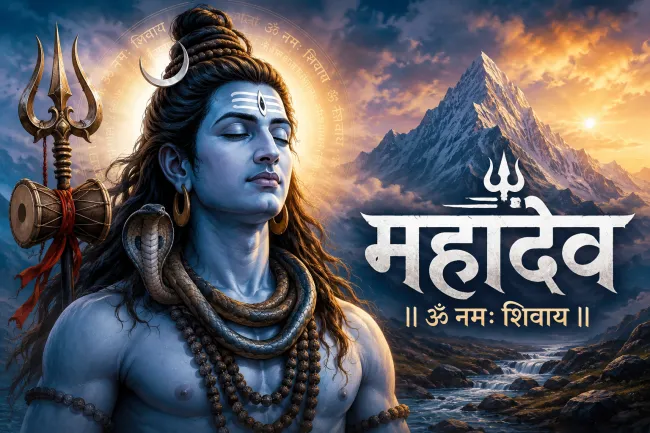
A major theme of the Shiva Panchakshara Stotram is the glorification of Lord Shiva’s sacred appearance. The stotram beautifully describes Shiva as the Lord adorned with sacred ash, serpents, the crescent moon, and the holy river Ganga flowing through his matted locks.
These descriptions carry deep symbolic meanings. The sacred ash reminds devotees of the temporary nature of worldly existence and encourages detachment from material desires. The crescent moon symbolizes mastery over time and emotional balance. The flowing Ganga represents purity, divine grace, and spiritual wisdom, while the serpents signify fearlessness, strength, and control over worldly desires.
By contemplating these symbols, devotees gain valuable spiritual insights and learn important lessons about humility, self-discipline, and inner transformation.
Spiritual Meaning of the Panchakshara Mantra
The mantra “Namah Shivaya” is considered one of the most sacred mantras in Hinduism. The Shiva Panchakshara Stotram highlights the immense power and spiritual significance of this mantra. Each of its five syllables is believed to represent one of the five fundamental elements of creation:
- Na – Earth
- Ma – Water
- Shi – Fire
- Va – Air
- Ya – Space (Ether)
Together, these syllables symbolize the entire universe and the divine presence of Lord Shiva within all creation. The mantra teaches that everything in existence is interconnected and ultimately rooted in the Supreme Reality.
The stotram emphasizes that chanting “Namah Shivaya” with devotion can purify the mind, remove ignorance, and awaken spiritual awareness. It serves as a powerful tool for meditation and self-realization.
Teachings of Devotion and Surrender
One of the most important messages of the Shiva Panchakshara Stotram is the value of devotion and surrender to God. The hymn teaches that sincere devotion is more important than material offerings or elaborate rituals. Lord Shiva is known as Bholenath, the compassionate Lord who is easily pleased by pure-hearted devotion.
The stotram encourages devotees to approach Shiva with humility, faith, and love. It teaches that when a person surrenders ego and places complete trust in the Divine, spiritual progress becomes easier and divine grace naturally flows into their life.
Through devotion, individuals develop inner strength, emotional stability, and a deeper understanding of life's higher purpose.
The Shiva Panchakshara Stotram is one of the most sacred and widely recited hymns dedicated to Lord Shiva. It was composed by the great philosopher and saint Adi Shankaracharya, who is revered for revitalizing Sanatana Dharma and spreading the philosophy of Advaita Vedanta. This powerful stotram glorifies Lord Shiva through the divine Panchakshara Mantra, “Namah Shivaya”, which is regarded as one of the holiest mantras in Hinduism.
The word Panchakshara means “five syllables.” The mantra consists of five sacred syllables: Na, Ma, Shi, Va, and Ya. These syllables are believed to embody the very essence of Lord Shiva and represent the five elements of creation—earth, water, fire, air, and space. Through the Shiva Panchakshara Stotram, devotees praise the infinite glory, compassion, wisdom, and power of Lord Shiva while seeking his divine blessings and spiritual grace.
Significance of the Panchakshara Mantra
The mantra “Namah Shivaya” is considered the heart of Shaivism and one of the most powerful spiritual chants ever revealed. It means “I bow to Lord Shiva” or “Salutations to the Auspicious One.” This mantra is believed to purify the mind, remove negative energies, destroy ignorance, and awaken divine consciousness.
The Shiva Panchakshara Stotram explains the greatness of each syllable of the mantra through poetic verses. Every verse describes different aspects of Lord Shiva’s divine form and qualities, helping devotees meditate upon his supreme nature. By reciting this stotram, devotees strengthen their connection with Lord Shiva and cultivate devotion, peace, and spiritual wisdom.
Structure of the Stotram
The Shiva Panchakshara Stotram consists of five principal verses, each dedicated to one syllable of the Panchakshara Mantra. Each verse praises a particular aspect of Lord Shiva and concludes with salutations to the corresponding syllable.
The stotram beautifully describes Lord Shiva as the supreme deity adorned with sacred symbols such as the moon, the holy river Ganga, serpents, sacred ash, and the trident. These descriptions are not merely poetic but contain profound spiritual meanings that inspire devotion and contemplation.
Spiritual Symbolism in Shiva Panchakshara Stotram
The Shiva Panchakshara Stotram is rich in symbolism and spiritual teachings. Through its verses, devotees learn about the deeper meaning of Lord Shiva’s divine appearance and attributes.
Sacred Ash (Vibhuti)
The stotram praises Lord Shiva as one who adorns himself with sacred ash. This ash symbolizes the temporary nature of worldly existence and reminds devotees that all material things eventually return to dust. It encourages detachment from ego and worldly attachments.
The Crescent Moon
Lord Shiva wears the crescent moon on his head, symbolizing mastery over time and the cycles of creation. It teaches devotees to remain calm and balanced despite the changing circumstances of life.
River Ganga
The sacred river Ganga flowing from Shiva’s matted locks represents purity, divine grace, and spiritual knowledge. It signifies the cleansing of sins and the flow of wisdom into the lives of devotees.
Serpents
The serpents adorning Lord Shiva symbolize fearlessness, control over desires, and mastery over death. They remind devotees to overcome fear and cultivate inner strength.
Trident (Trishula)
The Trishula represents the destruction of the three impurities: ego, ignorance, and attachment. It also symbolizes mastery over the three dimensions of time—past, present, and future.
Philosophical Teachings of the Stotram
Beyond praise and devotion, the Shiva Panchakshara Stotram contains profound spiritual teachings. It reminds devotees that Lord Shiva is not merely a deity residing in a distant realm but the supreme consciousness present within all creation.
The stotram teaches that spiritual progress requires humility, devotion, self-control, and constant remembrance of the Divine. It encourages seekers to move beyond external appearances and realize the eternal truth that lies within their own hearts.
The five syllables of the Panchakshara Mantra are also associated with the purification of the five senses and the awakening of higher consciousness. Through sincere recitation, devotees gradually experience inner transformation and spiritual growth.
Benefits of Reciting Shiva Panchakshara Stotram
The recitation of Shiva Panchakshara Stotram is believed to bring numerous spiritual and mental benefits. Devotees have recited this sacred hymn for centuries to seek Lord Shiva’s blessings and protection.
Some of the commonly believed benefits include:
- Strengthening devotion toward Lord Shiva.
- Purifying the mind and heart.
- Removing negative thoughts and emotions.
- Enhancing concentration and spiritual awareness.
- Bringing peace, harmony, and inner stability.
- Reducing fear, anxiety, and mental restlessness.
- Encouraging self-discipline and righteous living.
- Helping devotees progress on the path of self-realization.
- Invoking divine grace and protection.
- Supporting the attainment of spiritual liberation (Moksha).
The stotram is especially recited during Mahashivaratri, the holy month of Shravan, Mondays dedicated to Shiva, and daily worship practices.
Importance in Daily Worship
The Shiva Panchakshara Stotram occupies a special place in Shaiva worship. It is often recited after chanting “Om Namah Shivaya” and during the worship of the Shiva Lingam. Devotees chant it in temples, homes, meditation centers, and pilgrimage sites dedicated to Lord Shiva.
Because of its simplicity and profound meaning, the stotram is suitable for devotees of all ages. Regular recitation not only deepens devotion but also helps establish a spiritual routine centered on mindfulness, prayer, and self-reflection.
Many devotees begin their day with this stotram to invoke Lord Shiva’s blessings and maintain a peaceful, focused state of mind throughout the day.
Relevance in Modern Life
In today's fast-paced world, the teachings of the Shiva Panchakshara Stotram remain highly relevant. The hymn encourages individuals to cultivate inner peace, humility, self-control, and spiritual awareness amid the distractions and pressures of modern life.
Its message reminds people that true happiness and fulfillment come not from external achievements alone but from connecting with the deeper spiritual dimension of existence. By meditating on the Panchakshara Mantra and reflecting upon the qualities of Lord Shiva, individuals can develop resilience, wisdom, and emotional balance.
The stotram serves as a timeless guide for those seeking meaning, purpose, and spiritual growth in their lives.