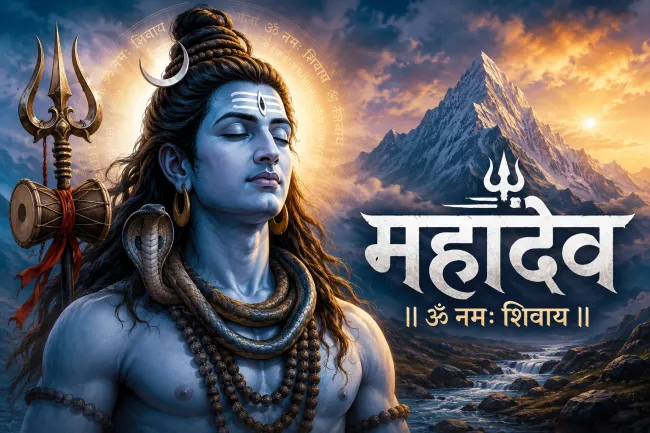
Shiv Ji Vrat Katha
Shiv Ji Vrat Katha is a sacred devotional story associated with the observance of fasts dedicated to Lord Shiva, one of the principal deities of Hinduism. The katha explains the spiritual significance of worshipping Lord Shiva with faith, devotion, and sincerity while observing a vrat (fast). It is commonly recited on Mondays (Somvar Vrat), during the holy month of Shravan, on Pradosh Vrat, and especially during Mahashivaratri.
The central message of the Shiv Ji Vrat Katha is that Lord Shiva is easily pleased by genuine devotion rather than wealth, status, or elaborate rituals. The story often describes devotees who faced difficulties such as poverty, illness, family troubles, lack of children, or other hardships. Through sincere fasting, prayer, and worship of Lord Shiva, they received divine blessings, their obstacles were removed, and their lives became prosperous and peaceful.
The katha teaches important values such as faith, patience, truthfulness, humility, compassion, and dedication to righteousness. It emphasizes that those who worship Lord Shiva with a pure heart and observe the vrat according to tradition receive spiritual merit and divine protection. The story also highlights Shiva’s compassionate nature, showing that he readily forgives mistakes and blesses devotees who seek refuge in him.
According to the vrat tradition, devotees usually observe a fast, visit a Shiva temple, offer water, milk, bilva leaves, flowers, and fruits to the Shivling, chant sacred mantras such as “Om Namah Shivaya,” and listen to or recite the vrat katha. These practices are believed to purify the mind, strengthen devotion, and attract Lord Shiva’s grace.
Spiritually, the Shiv Ji Vrat Katha encourages devotees to overcome ego, attachment, and negative tendencies while cultivating self-discipline and devotion. It reminds people that sincere faith and righteous actions can help them face life’s challenges with courage and wisdom. The vrat is not only a ritual observance but also a means of inner purification and spiritual growth.
In summary, Shiv Ji Vrat Katha is a revered devotional narrative that illustrates the power of faith in Lord Shiva. It teaches that sincere worship, fasting, and devotion can bring peace, prosperity, happiness, fulfillment of wishes, and spiritual advancement, while also inspiring devotees to lead a virtuous and God-centered life.
Shiv Ji Vrat Katha is a sacred and highly revered devotional narrative associated with the worship of Lord Shiva, the Supreme Lord who symbolizes destruction of evil, transformation, compassion, and spiritual awakening. The vrat katha is traditionally recited during various fasts dedicated to Lord Shiva, including Somvar Vrat (Monday Fast), Shravan Somvar Vrat, Pradosh Vrat, and Mahashivaratri. It serves as both a spiritual guide and a source of inspiration, teaching devotees the importance of faith, devotion, self-discipline, and surrender to the divine.
The central theme of Shiv Ji Vrat Katha revolves around the immense power of sincere devotion. The stories narrated in the katha often describe individuals or families facing hardships such as poverty, illness, childlessness, family disputes, financial difficulties, or other challenges. Despite their struggles, these devotees place their complete faith in Lord Shiva, observe the vrat with dedication, and worship him with a pure heart. Pleased by their unwavering devotion, Lord Shiva blesses them with happiness, prosperity, good health, success, and fulfillment of their wishes.
One of the most significant teachings of the vrat katha is that Lord Shiva values devotion more than material offerings. Unlike worldly rulers who may be impressed by wealth and grandeur, Shiva is known as Bholenath, the innocent and compassionate Lord who is easily pleased by even the simplest acts of devotion. A humble offering of water, bilva leaves, sincere prayers, and a pure heart is considered more valuable than elaborate rituals performed without devotion. This message makes Shiva worship accessible to everyone, regardless of social or economic status.
The vrat katha also highlights the importance of observing the fast with sincerity and discipline. During the vrat, devotees often abstain from certain foods, maintain purity in thought and action, visit Shiva temples, perform abhishekam of the Shivling with water, milk, honey, and sacred offerings, chant “Om Namah Shivaya,” and listen to or recite the sacred story. These practices help cultivate self-control, focus the mind on spiritual pursuits, and strengthen one’s connection with the divine.
Spiritually, Shiv Ji Vrat Katha teaches that fasting is not merely about abstaining from food. Rather, it is a process of purifying the mind, controlling desires, and directing one's energy toward devotion and self-improvement. The vrat encourages individuals to let go of negative emotions such as anger, greed, jealousy, pride, and attachment while developing virtues like compassion, patience, humility, truthfulness, and contentment.
The katha also emphasizes Lord Shiva’s role as the protector of devotees. Numerous stories illustrate how he comes to the aid of those who remember him with genuine faith during times of distress. His blessings are believed to remove obstacles, reduce suffering, and provide strength to face life's challenges. Devotees regard him as a loving father and compassionate guardian who listens to prayers and grants spiritual as well as worldly blessings.
For married couples, the vrat is often observed for family harmony, health, prosperity, and the well-being of loved ones. Unmarried individuals may undertake the vrat seeking a virtuous life partner, inspired by the divine relationship between Lord Shiva and Goddess Parvati. The katha thus also symbolizes the ideals of marital devotion, mutual respect, and spiritual companionship.
The observance of Shiv Ji Vrat and the recitation of its katha are especially popular during the holy month of Shravan, when millions of devotees dedicate themselves to Shiva worship. During this period, the spiritual merit associated with fasting and devotion is believed to be particularly powerful. The katha reminds devotees that true success in life comes not only from material achievements but also from spiritual growth and inner peace.