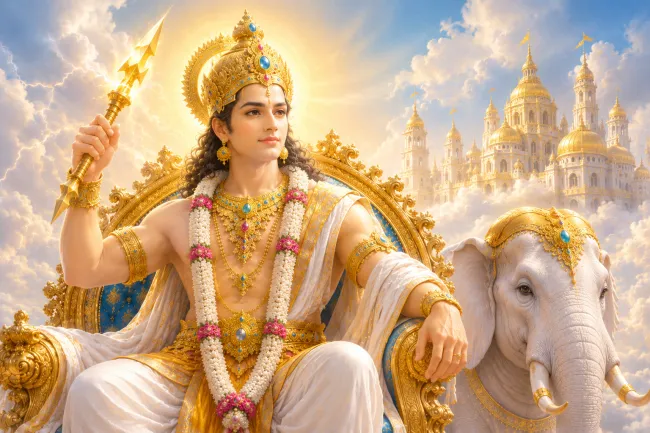
Indra Dev 108 Names
The 108 Names of Lord Indra (Indra Dev Ashtottara Shatanamavali) are a sacred collection of divine names that glorify the king of the celestial gods and celebrate his numerous virtues, powers, and achievements. In Hindu tradition, each of these 108 names represents a unique aspect of Lord Indra's divine personality and cosmic responsibilities. The recitation of these holy names is considered an act of devotion that helps devotees seek blessings for courage, prosperity, leadership, protection, wisdom, and success.
Lord Indra occupies a significant position in Hindu mythology and Vedic literature. He is revered as the ruler of heaven (Swarga), the lord of rain and thunderstorms, the wielder of the mighty Vajra (thunderbolt), and the protector of gods and humanity. The chanting of his 108 names serves as a powerful spiritual practice that allows devotees to meditate upon his divine qualities and establish a deeper connection with his celestial energy.
Significance of the Number 108
The number 108 holds immense spiritual importance in Hinduism and many other Eastern traditions. It is regarded as a sacred number that symbolizes completeness, cosmic harmony, and spiritual perfection. Therefore, the recitation of 108 names is considered a complete form of worship that honors every aspect of a deity's divine nature.
When devotees chant the 108 names of Lord Indra, they symbolically offer their devotion to all his attributes, seeking blessings for physical well-being, mental strength, material prosperity, and spiritual growth.
Understanding the Divine Nature of Indra Through His 108 Names
Each name within the Ashtottara Shatanamavali highlights a specific quality, power, or achievement of Lord Indra. Some names describe him as the ruler of heaven, while others glorify him as the controller of rain, the destroyer of evil forces, the protector of righteousness, and the guardian of cosmic balance.
Certain names emphasize his divine authority as the king of the gods. Others celebrate his courage in defeating powerful demons who threatened the universe. Many names praise his generosity, wisdom, leadership, and commitment to protecting the celestial realms and the earthly world.
Through these sacred names, devotees gain a deeper understanding of Lord Indra's multifaceted role in Hindu cosmology and spiritual teachings.
Lord Indra as the King of Heaven
One of the central themes reflected in the 108 names is Lord Indra's position as the supreme ruler of Swarga, the heavenly kingdom. As the king of the Devas, he governs the celestial realm from his magnificent city, Amaravati.
The names describe him as a wise and powerful monarch who maintains order among the gods and ensures the smooth functioning of the universe. His leadership symbolizes responsibility, justice, and the importance of protecting those who depend on divine guidance and support.
Devotees often meditate on these names to cultivate qualities of effective leadership, confidence, and righteous decision-making in their own lives.
Lord of Rain and Natural Forces
Many of Indra's names celebrate his role as the controller of rain, clouds, lightning, and storms. In ancient Vedic culture, rainfall was essential for agriculture, prosperity, and survival. As the god who governed these natural forces, Indra became one of the most worshipped deities in the Vedic age.
His names acknowledge his ability to nourish the earth through life-giving rains and to maintain balance in nature. Farmers and rural communities traditionally invoke these names to seek favorable weather, abundant harvests, and protection from droughts and natural calamities.
The symbolism of rain also extends to spiritual life, where Indra's blessings are believed to shower divine grace, wisdom, and prosperity upon devotees.
The Divine Warrior and Protector
A significant portion of the 108 names glorifies Lord Indra as a fearless warrior and defender of righteousness. Hindu scriptures recount numerous stories in which he battles powerful demons and negative forces that threaten the cosmic order.
Among his most famous victories is the defeat of the demon Vritra, who had imprisoned the world's waters. Armed with the Vajra, Indra overcame this formidable adversary and released the rivers and rains, restoring life and prosperity to the world.
These names symbolize courage, determination, and the triumph of good over evil. Devotees reciting them are inspired to face their own challenges with strength and confidence.
Symbolism of the Vajra
The Vajra, Lord Indra's divine thunderbolt weapon, occupies a prominent place in many of his sacred names. The Vajra represents spiritual power, unwavering determination, divine authority, and the ability to destroy ignorance and negativity.
The names associated with the Vajra remind devotees that true strength comes not only from physical power but also from wisdom, righteousness, and faith. They encourage individuals to remain steadfast in their principles and overcome obstacles through courage and perseverance.
Spiritual Benefits of Chanting the 108 Names
The recitation of Indra Dev's 108 names is believed to provide numerous spiritual and material benefits. According to traditional beliefs, chanting these names with devotion can:
- Increase confidence and courage.
- Remove obstacles and fears.
- Attract prosperity and success.
- Enhance leadership abilities.
- Promote positive thinking and mental strength.
- Bring divine protection from negative influences.
- Support spiritual growth and self-discipline.
- Encourage determination and perseverance.
- Strengthen faith and devotion.
- Invite peace, harmony, and blessings into one's life.
The names also help devotees focus their minds during worship, making meditation and prayer more effective and meaningful.
Lessons Hidden Within the 108 Names
The 108 names of Lord Indra are not merely praises of a deity; they also contain profound spiritual lessons. They teach that leadership should be exercised with wisdom and responsibility, that courage is essential in overcoming adversity, and that power must be balanced by humility and service.
Through the stories and qualities associated with these names, devotees learn valuable principles such as perseverance, self-control, generosity, gratitude, and dedication to righteousness. The names encourage individuals to confront their inner weaknesses and strive for personal and spiritual excellence.
Importance in Daily Worship
Many devotees include the recitation of Indra Dev's 108 names in their daily prayers, especially on auspicious occasions or during special rituals dedicated to prosperity and success. The practice can be performed individually or as part of a larger devotional ceremony.
Reciting the names slowly and thoughtfully allows worshippers to meditate on Lord Indra's divine qualities and internalize the virtues they represent. This creates a powerful spiritual atmosphere and strengthens the devotee's connection with divine energies.
Conclusion
The 108 Names of Lord Indra form a sacred and comprehensive hymn of praise that celebrates every aspect of the king of the gods. These names honor his power, wisdom, courage, leadership, generosity, and role as the protector of cosmic order. They serve as both a devotional practice and a source of spiritual inspiration for millions of devotees.
By chanting and reflecting upon these sacred names, worshippers seek divine blessings for strength, prosperity, protection, and success while cultivating virtues such as courage, discipline, and righteousness. The Indra Dev Ashtottara Shatanamavali remains a timeless spiritual treasure that continues to inspire faith, devotion, and inner transformation across generations.
The 108 Names of Lord Indra (Indra Dev Ashtottara Shatanamavali) are a sacred collection of divine names that honor the many qualities, powers, and accomplishments of Lord Indra, the king of the celestial gods. These names are highly revered in Hindu tradition and are chanted by devotees to seek blessings for courage, success, prosperity, protection, leadership, and spiritual strength. Each of the 108 names reflects a unique aspect of Lord Indra's divine personality and his important role in maintaining cosmic order.
Lord Indra is one of the most prominent deities in the Vedic scriptures. He is known as the ruler of heaven (Swarga), the lord of rain and thunderstorms, the bearer of the divine thunderbolt weapon known as the Vajra, and the protector of gods and humanity. The 108 names collectively describe his authority, bravery, wisdom, generosity, and dedication to preserving harmony throughout the universe.
The chanting of these sacred names is considered a powerful act of devotion. Devotees believe that regular recitation helps purify the mind, strengthen faith, and create a deeper connection with divine energies. The names remind worshippers of Lord Indra's victories over evil forces, particularly his famous defeat of the demon Vritra, which symbolizes the triumph of righteousness over negativity and chaos.
Many of the names praise Lord Indra as a fearless warrior who protects the universe from destructive influences. Others highlight his role as the provider of life-giving rain, emphasizing his importance in sustaining agriculture, prosperity, and the natural balance of the world. Some names celebrate his leadership as the king of the Devas, while others honor his compassion, wisdom, and generosity toward devotees.
Spiritually, the 108 names inspire individuals to cultivate noble qualities such as courage, confidence, determination, discipline, and responsibility. They teach valuable lessons about righteous leadership, perseverance during difficult times, and the importance of using power wisely and for the benefit of others. The names encourage devotees to overcome fear, ignorance, and negativity while striving for personal growth and spiritual progress.
According to traditional beliefs, chanting the 108 names of Indra Dev can bring numerous blessings. These may include success in important endeavors, protection from obstacles, increased self-confidence, prosperity, mental strength, and divine guidance. The practice is also believed to promote inner peace, positive thinking, and harmony in daily life.
The significance of the number 108 further enhances the spiritual value of this practice. In Hinduism, 108 is regarded as a sacred number representing completeness and divine perfection. Therefore, reciting all 108 names is considered a complete form of worship that honors every aspect of Lord Indra's divine nature.
Many devotees chant the Ashtottara Shatanamavali during daily prayers, special pujas, festivals, and occasions when seeking divine assistance. The practice serves not only as an expression of devotion but also as a form of meditation that helps focus the mind on higher ideals and spiritual values.
In conclusion, the 108 Names of Lord Indra are a profound devotional hymn that celebrates the king of heaven as a symbol of strength, protection, prosperity, wisdom, and divine authority. Through the recitation of these sacred names, devotees seek both worldly success and spiritual upliftment while drawing inspiration from Lord Indra's courage, leadership, and unwavering commitment to righteousness. The Ashtottara Shatanamavali remains a cherished spiritual practice that continues to inspire faith, devotion, and inner transformation among worshippers across generations.