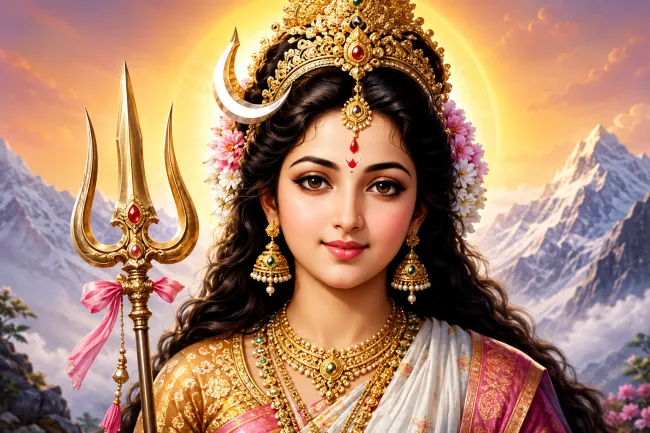
Maa Parvati Katha Bhāg
Maa Parvati Katha Bhāg refers to the sacred stories, divine episodes, and spiritual narratives associated with Goddess Parvati, one of the most revered deities in Hinduism. These stories describe her divine birth, unwavering devotion, marriage to Lord Shiva, role as the mother of Lord Ganesha and Lord Kartikeya, and her various manifestations as the embodiment of Shakti, the supreme cosmic energy. The Katha Bhāg serves as a source of spiritual inspiration, moral guidance, and devotional wisdom for millions of devotees who seek to understand the greatness of the Divine Mother.
The stories of Maa Parvati are deeply rooted in Hindu scriptures such as the Puranas, Shiva Purana, Skanda Purana, and Devi Bhagavata Purana. These sacred narratives portray her as the perfect example of devotion, patience, determination, compassion, and spiritual strength. Through her life and divine deeds, devotees learn important lessons about faith, self-discipline, righteousness, and the power of unwavering dedication to God.
One of the most important episodes in Maa Parvati Katha Bhāg is the story of her birth as the daughter of King Himavan, the ruler of the Himalayas, and Queen Mena. According to Hindu tradition, she was born as an incarnation of Goddess Sati, who had sacrificed her earthly body after witnessing the disrespect shown toward Lord Shiva by her father, King Daksha. The rebirth of Sati as Parvati symbolizes the eternal nature of divine love and the triumph of devotion over adversity.
The Katha Bhāg beautifully describes Maa Parvati's deep devotion toward Lord Shiva. From a young age, she resolved to marry Shiva and dedicated herself to intense meditation, penance, and spiritual practices. Despite numerous hardships and challenges, she remained steadfast in her devotion. Her unwavering determination eventually pleased Lord Shiva, who accepted her as his divine consort. This sacred story teaches devotees the importance of perseverance, patience, and faith in achieving noble goals.
Another significant aspect of Maa Parvati Katha Bhāg is the divine marriage of Shiva and Parvati. Their union is considered one of the most sacred events in Hindu mythology and symbolizes the perfect balance between consciousness and energy, wisdom and action, and masculine and feminine principles. The marriage of Shiva and Parvati is celebrated as an ideal example of harmony, mutual respect, and spiritual companionship. Devotees often reflect upon this divine relationship to strengthen love, understanding, and unity in their own lives.
The Katha Bhāg also includes the fascinating stories surrounding the birth of Lord Ganesha and Lord Kartikeya. Maa Parvati is portrayed as a loving and nurturing mother whose affection and care extend to all beings. The story of Lord Ganesha's creation from the divine energy of Parvati highlights her creative power and maternal devotion. Similarly, the birth and upbringing of Lord Kartikeya demonstrate her role in nurturing courage, wisdom, and righteousness.
Throughout the sacred narratives, Maa Parvati appears in various forms, each revealing a unique aspect of her divine nature. As Gauri, she represents purity, beauty, and auspiciousness. As Annapurna, she nourishes the world and blesses devotees with abundance and prosperity. As Durga, she becomes the fearless warrior who destroys evil forces and protects righteousness. As Kali, she symbolizes transformation, strength, and the destruction of ignorance. These manifestations demonstrate that the Divine Mother possesses both nurturing compassion and immense protective power.
The stories of Maa Parvati also emphasize the significance of devotion and spiritual discipline. Her life serves as an example of how sincere prayer, meditation, and dedication can overcome even the most difficult challenges. Devotees who read or listen to the Katha Bhāg are inspired to cultivate virtues such as humility, patience, self-control, kindness, and faith. These teachings remain relevant in modern life and continue to guide individuals on their spiritual journey.
Another important theme found in Maa Parvati Katha Bhāg is the concept of divine motherhood. She is revered as Jagadamba, the Mother of the Universe, who lovingly cares for all creation. The stories portray her as compassionate, forgiving, and always ready to help those who seek her blessings. Devotees believe that listening to her sacred stories brings comfort, hope, and spiritual strength during difficult times.
The recitation and listening of Maa Parvati Katha Bhāg are especially popular during religious festivals such as Navratri, Gangaur, Hartalika Teej, and Maha Shivaratri. During these occasions, devotees gather in homes and temples to hear the sacred narratives and reflect upon their spiritual meanings. The stories create an atmosphere of devotion and inspire worshippers to deepen their faith and connection with the Divine Mother.
According to traditional beliefs, reading or listening to Maa Parvati Katha Bhāg brings numerous blessings. Devotees believe it helps remove negativity, strengthens spiritual faith, promotes family harmony, and attracts divine grace. The sacred stories are also said to inspire courage, wisdom, and emotional resilience, helping individuals face life's challenges with confidence and devotion.
The spiritual significance of Maa Parvati Katha Bhāg extends beyond religious worship. These divine narratives offer timeless lessons about love, sacrifice, determination, compassion, and the importance of maintaining faith during difficult circumstances. Through the example of Maa Parvati, devotees learn that true strength comes from devotion, inner purity, and trust in the divine plan.
In conclusion, Maa Parvati Katha Bhāg is a treasured collection of sacred stories that celebrate the divine life, virtues, and spiritual significance of Goddess Parvati. These inspiring narratives reveal her as the embodiment of love, wisdom, devotion, motherhood, and divine power. By reading, listening to, and reflecting upon these sacred stories, devotees gain spiritual insight, strengthen their faith, and receive the blessings of the Divine Mother. The timeless teachings contained within Maa Parvati Katha Bhāg continue to inspire generations of worshippers and remain an essential part of Hindu devotional tradition.
Maa Parvati Katha Bhāg is a sacred collection of divine stories, spiritual teachings, and devotional narratives that describe the life, virtues, miracles, and divine deeds of Goddess Parvati. As one of the most revered goddesses in Hinduism, Maa Parvati is worshipped as the embodiment of Shakti, the supreme cosmic energy that sustains and nurtures the universe. The Katha Bhāg serves as a powerful source of spiritual inspiration, offering devotees valuable lessons on faith, devotion, patience, courage, love, and righteousness.
The stories associated with Maa Parvati are found in various Hindu scriptures, including the Shiva Purana, Skanda Purana, Devi Bhagavata Purana, and other sacred texts. These divine narratives reveal the greatness of the Goddess and help devotees understand her role as the universal mother, the eternal consort of Lord Shiva, and the source of divine energy that governs all creation. Through these stories, worshippers develop a deeper connection with the Divine Mother and gain insight into the spiritual principles that guide a meaningful and virtuous life.
One of the most important stories in Maa Parvati Katha Bhāg is the account of her divine birth. According to Hindu tradition, Goddess Parvati was born as the daughter of King Himavan, the ruler of the Himalayas, and Queen Mena. She is believed to be the reincarnation of Goddess Sati, who had previously sacrificed her earthly body due to the disrespect shown toward Lord Shiva by her father, Daksha Prajapati. The rebirth of Sati as Parvati symbolizes the eternal nature of divine love, devotion, and the triumph of truth over adversity.
The Katha Bhāg beautifully narrates the story of Parvati's deep devotion to Lord Shiva. From her childhood, she was determined to attain Lord Shiva as her husband. To achieve this sacred goal, she performed severe penance, meditation, and spiritual practices for many years. Despite numerous hardships, temptations, and challenges, she remained steadfast in her devotion. Her unwavering faith and dedication ultimately pleased Lord Shiva, who accepted her as his divine consort. This inspiring story teaches devotees the value of perseverance, patience, commitment, and faith in achieving both spiritual and worldly goals.
A major highlight of Maa Parvati Katha Bhāg is the divine marriage of Lord Shiva and Goddess Parvati. Their sacred union is one of the most celebrated events in Hindu mythology and symbolizes the perfect harmony between consciousness and energy, wisdom and action, and masculine and feminine principles. The marriage of Shiva and Parvati is regarded as an ideal example of spiritual partnership, mutual respect, and eternal love. Devotees often listen to this story to seek blessings for marital harmony, family happiness, and successful relationships.
The Katha Bhāg also includes fascinating narratives about Maa Parvati's role as a mother. She is the divine mother of Lord Ganesha and Lord Kartikeya, two of the most beloved deities in Hinduism. The story of Lord Ganesha's creation is particularly significant, as it highlights Maa Parvati's creative power and motherly affection. According to tradition, she created Ganesha from her own divine energy and appointed him as her protector. This story teaches the importance of obedience, devotion, and maternal love.
Similarly, the stories surrounding Lord Kartikeya emphasize courage, leadership, and the victory of good over evil. Through these narratives, Maa Parvati is portrayed as the nurturing and protective mother who guides her children toward righteousness and success. Her role as a mother continues to inspire devotees who seek her blessings for their families and loved ones.
Throughout the Maa Parvati Katha Bhāg, the goddess appears in many divine forms, each representing a unique aspect of her cosmic nature. As Gauri, she embodies beauty, purity, and auspiciousness. As Annapurna, she nourishes the world and provides food and prosperity to all beings. As Durga, she becomes the fearless warrior who destroys demonic forces and protects the universe. As Kali, she represents transformative power, destroying ignorance and negativity. These diverse manifestations demonstrate the limitless nature of the Divine Mother and her ability to meet the needs of her devotees in different ways.
Another important theme found in Maa Parvati Katha Bhāg is the concept of divine motherhood. Maa Parvati is worshipped as Jagadamba, the Mother of the Universe, who loves and protects all living beings without distinction. Her stories reveal her boundless compassion, forgiveness, and willingness to help those who seek her refuge. Devotees believe that by listening to her sacred stories, they can receive her blessings, overcome difficulties, and experience spiritual comfort during challenging times.
The Katha Bhāg also contains profound spiritual teachings. It encourages devotees to practice self-discipline, humility, kindness, compassion, and unwavering devotion. Through the example of Maa Parvati's life, worshippers learn that spiritual success is achieved through sincere effort, faith, and dedication. The stories remind devotees that even the greatest challenges can be overcome through perseverance and trust in divine guidance.
Listening to or reciting Maa Parvati Katha Bhāg is considered highly auspicious during religious festivals and sacred occasions. It is especially popular during Navratri, Hartalika Teej, Gangaur, and Maha Shivaratri. During these celebrations, devotees gather in temples and homes to hear the sacred stories and reflect on their deeper meanings. The recitation of the Katha creates a spiritually uplifting atmosphere that strengthens faith and devotion.
According to traditional beliefs, reading or listening to Maa Parvati Katha Bhāg brings numerous blessings. It is believed to purify the mind, remove negative influences, strengthen family bonds, increase spiritual awareness, and attract divine grace. Many devotees also believe that the stories inspire courage, wisdom, patience, and emotional strength, helping individuals navigate life's challenges with confidence and faith.
The timeless appeal of Maa Parvati Katha Bhāg lies in its ability to combine spiritual wisdom with inspiring narratives. The stories are not merely historical or mythological accounts but profound lessons that continue to guide and inspire people in modern times. They teach the importance of love, sacrifice, devotion, righteousness, and the transformative power of divine grace.
In conclusion, Maa Parvati Katha Bhāg is a sacred treasure of Hindu spirituality that celebrates the divine life and teachings of Goddess Parvati. Through its inspiring stories and profound spiritual messages, it reveals the greatness of the Divine Mother as the embodiment of love, wisdom, strength, and compassion. By reading, listening to, and reflecting upon these sacred narratives, devotees deepen their faith, strengthen their spiritual connection, and receive the blessings of Maa Parvati for happiness, prosperity, protection, family harmony, and spiritual growth. The Katha Bhāg continues to inspire countless devotees and remains an important part of Hindu devotional and cultural traditions.