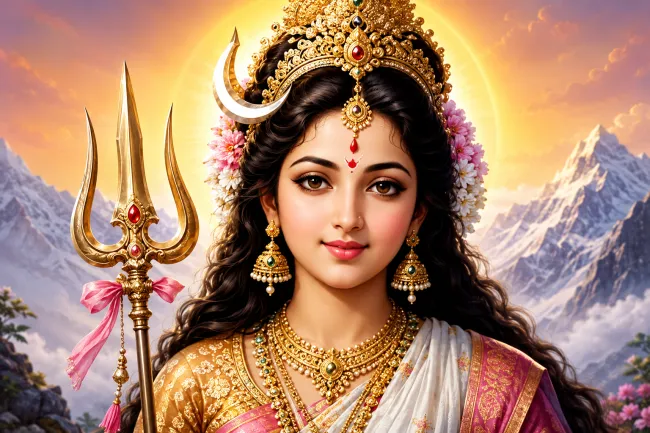
Maa Parvati Vrat Katha
Maa Parvati Vrat Katha is a sacred and spiritually uplifting narrative associated with the worship of Goddess Parvati, the Divine Mother and the embodiment of Shakti. The vrat katha is traditionally recited during various fasts and religious observances dedicated to Maa Parvati, including Hartalika Teej, Gangaur Vrat, Jaya Parvati Vrat, and other auspicious occasions. These sacred stories highlight the devotion, determination, purity, and divine grace of Goddess Parvati while teaching valuable lessons about faith, patience, righteousness, and spiritual dedication.
In Hindu tradition, a Vrat Katha is more than a religious story. It serves as a spiritual guide that explains the significance of a fast, the benefits of worship, and the importance of maintaining devotion to the Divine. Maa Parvati Vrat Katha is recited by devotees who seek the blessings of the Goddess for marital happiness, family prosperity, good health, spiritual growth, and the fulfillment of sincere wishes.
The central theme of Maa Parvati Vrat Katha revolves around the extraordinary devotion of Goddess Parvati toward Lord Shiva. According to Hindu scriptures, Parvati was born as the daughter of King Himavan and Queen Mena. From a young age, she desired to marry Lord Shiva and dedicated her life to achieving this sacred goal. Despite facing numerous challenges and hardships, she remained firm in her faith and performed severe penance and spiritual practices to win the blessings of Lord Shiva.
The Vrat Katha beautifully narrates how Maa Parvati spent years in meditation and austerities, living a life of simplicity and devotion. Her determination and unwavering faith impressed not only the gods but also Lord Shiva himself. Eventually, her sincere devotion was rewarded, and Lord Shiva accepted her as his divine consort. This sacred story symbolizes the power of dedication, patience, and pure devotion in overcoming obstacles and achieving spiritual fulfillment.
One of the most important messages of Maa Parvati Vrat Katha is the value of perseverance. The story teaches that success, whether spiritual or worldly, often requires patience, sacrifice, and consistent effort. Just as Maa Parvati never abandoned her spiritual path despite difficulties, devotees are encouraged to remain steadfast in their faith and continue working toward their goals with sincerity and determination.
The Vrat Katha also highlights Maa Parvati's role as the ideal wife and devoted companion of Lord Shiva. Their divine union represents perfect harmony, mutual respect, trust, and unconditional love. For this reason, many married women observe Parvati-related fasts and listen to the Vrat Katha to seek blessings for a happy and prosperous married life. Unmarried women also perform these vrats with the belief that they will be blessed with a suitable life partner and a harmonious future.
Another significant aspect of Maa Parvati Vrat Katha is its emphasis on family values and domestic happiness. Goddess Parvati is regarded as the ideal mother and protector of the household. Through her blessings, devotees seek peace, unity, and prosperity within their families. The sacred narrative inspires individuals to strengthen family relationships, practice compassion, and uphold moral values in everyday life.
The spiritual significance of the Vrat Katha extends beyond marital blessings. The story encourages devotees to cultivate virtues such as humility, self-discipline, kindness, devotion, and inner strength. By reflecting upon the life and actions of Maa Parvati, worshippers gain inspiration to face challenges with courage and maintain faith during difficult times.
Maa Parvati Vrat Katha is commonly recited during festivals such as Hartalika Teej, Gangaur, Navratri, and Jaya Parvati Vrat. During these occasions, devotees observe fasting, perform puja, offer flowers, fruits, sweets, and sacred items to the Goddess, and listen to the Vrat Katha with devotion. The recitation of the story is considered an essential part of the worship process, as it helps devotees understand the deeper spiritual purpose of the vrat.
According to traditional beliefs, listening to or reciting Maa Parvati Vrat Katha with faith brings numerous blessings. Devotees believe that it removes obstacles, strengthens relationships, attracts prosperity, and protects the family from difficulties. The sacred story is also said to promote mental peace, spiritual growth, and emotional stability. Many worshippers experience a sense of hope, comfort, and divine connection after participating in the vrat and hearing the katha.
The narrative also demonstrates the compassionate nature of Maa Parvati. As Jagadamba, the Mother of the Universe, she is always ready to help those who approach her with sincerity and devotion. The Vrat Katha reminds devotees that the Divine Mother listens to their prayers and supports them through life's challenges. Her blessings provide strength, guidance, and protection to all who seek her refuge.
In modern times, Maa Parvati Vrat Katha continues to hold great relevance for devotees around the world. Its teachings about devotion, patience, family harmony, and spiritual dedication remain timeless and meaningful. Whether recited during a special festival or as part of regular worship, the katha serves as a source of inspiration and spiritual nourishment.
The story also emphasizes the importance of balancing worldly responsibilities with spiritual pursuits. Maa Parvati exemplifies how one can fulfill family duties while maintaining a deep connection with the Divine. Her life serves as a model for devotion, compassion, and righteous living, encouraging devotees to lead balanced and meaningful lives.
In conclusion, Maa Parvati Vrat Katha is a sacred devotional narrative that celebrates the divine life, unwavering faith, and spiritual greatness of Goddess Parvati. It teaches valuable lessons about perseverance, devotion, love, family values, and the power of divine grace. Through listening to and reciting this holy katha, devotees seek blessings for marital happiness, family prosperity, protection, spiritual growth, and inner peace. The timeless wisdom and inspirational message of Maa Parvati Vrat Katha continue to guide and uplift devotees, making it an essential and cherished part of Hindu religious and spiritual tradition.
Maa Parvati Vrat Katha is a sacred devotional story that highlights the divine life, unwavering devotion, and spiritual greatness of Goddess Parvati. The katha is traditionally recited during various fasts and religious observances dedicated to Maa Parvati, including Hartalika Teej, Gangaur Vrat, Jaya Parvati Vrat, and other auspicious occasions. It serves as an important part of Hindu worship and is listened to with deep faith and reverence by devotees seeking blessings for marital happiness, family prosperity, good health, and spiritual growth.
The story primarily focuses on Maa Parvati's extraordinary devotion toward Lord Shiva. According to Hindu tradition, Goddess Parvati was born as the daughter of King Himavan and Queen Mena. From an early age, she desired to marry Lord Shiva and dedicated her life to attaining him as her divine husband. To fulfill this sacred goal, she performed severe penance, meditation, and spiritual austerities for many years. Despite facing numerous challenges and hardships, she remained firm in her faith and never wavered from her devotion.
The Vrat Katha beautifully illustrates the power of determination, patience, and sincere devotion. Maa Parvati's unwavering faith eventually pleased Lord Shiva, who accepted her as his consort. Their divine marriage is regarded as one of the most sacred events in Hindu mythology and symbolizes the perfect union of consciousness and energy, wisdom and devotion, and masculine and feminine forces. This story inspires devotees to remain committed to their spiritual goals and trust in divine timing.
One of the central teachings of Maa Parvati Vrat Katha is that true devotion and perseverance can overcome even the greatest obstacles. The story encourages devotees to maintain faith during difficult times and continue their spiritual practices with sincerity and dedication. Through Maa Parvati's example, worshippers learn that patience and determination are essential virtues on the path to success and fulfillment.
The Vrat Katha is especially significant for women who observe fasts and prayers dedicated to Goddess Parvati. Married women recite or listen to the katha to seek blessings for a happy and harmonious married life, while unmarried women pray for a virtuous and loving life partner. However, the spiritual teachings of the katha are beneficial for all devotees, regardless of age or gender, as they promote faith, self-discipline, and devotion to the Divine.
Another important aspect of Maa Parvati Vrat Katha is its emphasis on family values and domestic harmony. Goddess Parvati is revered as the ideal wife, mother, and protector of the household. Through her blessings, devotees seek peace, unity, prosperity, and well-being for their families. The story teaches the importance of love, sacrifice, understanding, and mutual respect in maintaining strong family relationships.
The katha also highlights Maa Parvati's role as Jagadamba, the Mother of the Universe. As the Divine Mother, she showers her blessings upon all beings and offers protection, guidance, and comfort to those who seek her refuge. Devotees believe that listening to the Vrat Katha with sincerity helps strengthen their connection with the goddess and attracts her divine grace into their lives.
Spiritually, Maa Parvati Vrat Katha encourages the development of virtues such as humility, compassion, patience, courage, and self-control. By reflecting upon the life and teachings of the goddess, devotees are inspired to overcome negativity, cultivate positive qualities, and progress on the path of spiritual growth. The story reminds worshippers that true strength comes from inner faith and devotion rather than external circumstances.
The recitation of Maa Parvati Vrat Katha is commonly performed during sacred festivals such as Hartalika Teej, Gangaur, Navratri, and Maha Shivaratri. During these occasions, devotees observe fasting, perform puja, offer flowers and prayers, and listen to the sacred story as part of their worship. The katha creates a spiritually uplifting atmosphere and helps devotees understand the deeper significance of the vrat and its associated rituals.
According to traditional beliefs, listening to or reciting Maa Parvati Vrat Katha brings numerous benefits. It is believed to remove obstacles, strengthen family bonds, promote marital harmony, attract prosperity, and provide protection from difficulties. Devotees also believe that the sacred story helps calm the mind, increase positivity, and inspire confidence during challenging situations.
The timeless message of Maa Parvati Vrat Katha continues to inspire millions of devotees across generations. Its teachings about devotion, perseverance, love, faith, and spiritual discipline remain relevant in modern life and provide valuable guidance for those seeking both worldly happiness and spiritual fulfillment.
In conclusion, Maa Parvati Vrat Katha is a sacred and inspiring devotional narrative that celebrates the divine virtues and spiritual power of Goddess Parvati. Through the story of her unwavering devotion to Lord Shiva and her role as the Divine Mother, the katha teaches important lessons about faith, patience, determination, and righteousness. By listening to and reflecting upon this holy story, devotees seek blessings for marital happiness, family prosperity, protection, peace, and spiritual growth. The Maa Parvati Vrat Katha remains a cherished part of Hindu devotional tradition and continues to guide worshippers toward a life filled with devotion, harmony, and divine grace.