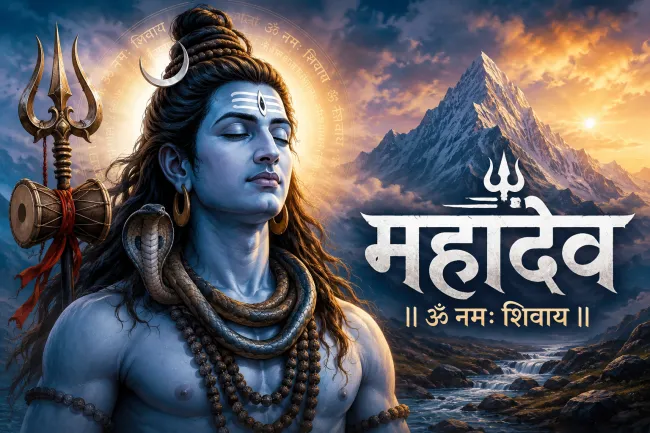
Dakshinamurti Shiva
Dakshinamurti is one of the most sacred and spiritually significant forms of Lord Shiva. He is worshipped as the Supreme Guru (Teacher), the embodiment of divine wisdom, knowledge, and enlightenment. In this form, Lord Shiva represents the ultimate source of spiritual understanding and is regarded as the original teacher who guides seekers toward self-realization and liberation.
The name Dakshinamurti means “the south-facing form of the Lord.” Unlike many other forms of Shiva that emphasize his cosmic power or role as the destroyer of evil, Dakshinamurti symbolizes knowledge, wisdom, meditation, and the transmission of spiritual truth. He is revered as the divine teacher who removes ignorance and reveals the highest reality to sincere seekers.
According to Hindu tradition, Lord Shiva appeared as Dakshinamurti to teach a group of enlightened sages the supreme truth. Remarkably, he imparted this wisdom through silence rather than words. This silent teaching is one of the most important aspects of Dakshinamurti. It symbolizes the idea that the highest spiritual knowledge cannot always be expressed through language but must be directly experienced through inner realization and meditation.
Dakshinamurti is usually depicted as a youthful sage seated beneath a banyan tree, surrounded by disciples. Although he appears young, he teaches ancient sages, symbolizing that divine wisdom is eternal and transcends age, time, and worldly limitations. His peaceful and meditative form reflects perfect knowledge, inner stability, and spiritual mastery.
A key feature of Dakshinamurti’s image is his posture of wisdom. One of his hands is often shown in the Jnana Mudra, representing the union of the individual soul with the Supreme Reality. He is also shown with scriptures, prayer beads, or sacred symbols that represent knowledge, meditation, and spiritual awakening. Beneath his feet lies a dwarf-like figure symbolizing ignorance and illusion, showing that true wisdom conquers darkness and confusion.
The central message of Dakshinamurti is the importance of self-knowledge. He teaches that every individual possesses a divine nature and that ignorance of this truth is the root cause of suffering. Through devotion, meditation, self-discipline, and spiritual inquiry, one can discover the true Self and attain liberation from worldly bondage.
Dakshinamurti is especially important for students, teachers, scholars, philosophers, yogis, and spiritual aspirants. Devotees pray to him for intelligence, wisdom, concentration, success in education, and clarity of thought. His blessings are believed to help remove confusion, strengthen memory, improve understanding, and guide individuals toward wise decision-making.
The form of Dakshinamurti also highlights the importance of the Guru in spiritual life. In Hindu tradition, the Guru is considered the guide who leads a seeker from ignorance to knowledge and from darkness to light. Dakshinamurti is regarded as the ultimate Guru because he is the source of all spiritual teachings and wisdom. His presence reminds devotees that true learning is not merely intellectual but also involves inner transformation and realization.
Spiritually, Dakshinamurti teaches that lasting happiness and fulfillment come from within rather than from external possessions or achievements. He encourages seekers to look inward, practice meditation, and develop awareness of their true spiritual nature. His teachings emphasize peace, self-control, humility, and the pursuit of truth.
The worship of Dakshinamurti is particularly significant for those seeking higher knowledge and spiritual growth. Many devotees recite sacred hymns such as the Dakshinamurti Stotram, meditate upon his form, and seek his blessings for wisdom and enlightenment. His worship is believed to remove mental obstacles, increase spiritual understanding, and strengthen one's connection with the Divine.
Another important aspect of Dakshinamurti is his representation of the unity of knowledge and compassion. While he is the embodiment of supreme wisdom, he also teaches with infinite kindness and patience. His silent guidance symbolizes the divine grace that helps seekers progress on the spiritual path.
Overall, Dakshinamurti Shiva represents the highest ideal of wisdom, knowledge, and self-realization. He is the eternal Guru who illuminates the path of truth and helps devotees overcome ignorance, confusion, and spiritual darkness. Through his blessings, seekers gain clarity, understanding, inner peace, and the realization of their divine nature. His form reminds humanity that the greatest knowledge is the knowledge of the Self and that true enlightenment comes from recognizing the divine presence within.
Dakshinamurti is one of the most profound and revered forms of Lord Shiva. In this form, Lord Shiva appears as the Supreme Guru (Teacher) who imparts divine wisdom, spiritual knowledge, and self-realization to seekers. The name Dakshinamurti is derived from two Sanskrit words: Dakshina, meaning "south," and Murti, meaning "form" or "manifestation." Thus, Dakshinamurti is the form of Shiva who faces south and enlightens devotees with the highest truth.
In Hindu philosophy, Dakshinamurti is regarded as the Adi Guru, the original teacher from whom all spiritual knowledge originates. Unlike ordinary teachers who impart knowledge through words and explanations, Dakshinamurti is believed to teach through silence. His silent presence symbolizes the highest form of wisdom, where ultimate truth is realized directly through inner experience rather than intellectual understanding alone.
According to traditional beliefs, a group of ancient sages known as the Sanaka sages approached Lord Shiva seeking answers to the deepest spiritual questions. Lord Shiva appeared before them as Dakshinamurti and imparted supreme knowledge through silence. In his divine presence, all their doubts vanished, and they attained enlightenment. This story symbolizes the idea that ultimate truth transcends language and can only be experienced through direct realization.
Dakshinamurti is usually depicted as a youthful and radiant ascetic seated beneath a sacred banyan tree. The banyan tree symbolizes eternal knowledge, wisdom, and immortality. Despite appearing young, he is shown teaching elderly sages, representing the timeless nature of spiritual wisdom that transcends age and worldly experience.
In iconography, Dakshinamurti sits in a meditative posture with one leg resting upon a dwarf-like figure known as Apasmara, who symbolizes ignorance, illusion, and forgetfulness of one's true nature. By keeping ignorance beneath his feet, Lord Shiva demonstrates that divine knowledge destroys darkness and leads to enlightenment.
His right hand is often shown in the Jnana Mudra, the gesture of wisdom and knowledge. This mudra symbolizes the union of the individual soul with the Supreme Reality. Other hands may hold sacred objects such as scriptures, a rosary, fire, or a musical instrument, each representing different aspects of knowledge, meditation, purification, and spiritual practice.
The Dakshinamurti form represents the highest teachings of Hindu philosophy, particularly the understanding of the Self (Atman) and the Absolute Reality (Brahman). He teaches that the true nature of every being is divine and eternal, and that ignorance of this truth is the cause of suffering. Through self-inquiry, meditation, devotion, and wisdom, one can realize this eternal truth and attain liberation.
One of the most important aspects of Dakshinamurti is his association with Jnana Yoga, the path of knowledge. He guides seekers toward understanding the nature of reality, the purpose of life, and the identity of the soul. His teachings emphasize that true wisdom comes from within and that spiritual realization is achieved through inner awakening.
Dakshinamurti is especially revered by students, scholars, teachers, philosophers, yogis, and spiritual seekers. Devotees worship him to gain wisdom, clarity of thought, intellectual brilliance, and success in education. His blessings are believed to remove confusion, ignorance, and doubts while strengthening concentration, understanding, and spiritual awareness.
The worship of Dakshinamurti also highlights the importance of the Guru in spiritual life. In Hindu tradition, the Guru is regarded as a guide who leads the disciple from darkness to light and from ignorance to knowledge. Dakshinamurti is considered the ultimate Guru because he is the source of all wisdom and the teacher of all teachers.
Several sacred hymns and prayers are dedicated to this form of Shiva, the most famous being the Dakshinamurti Stotram, traditionally attributed to Adi Shankaracharya. This stotram praises Lord Dakshinamurti as the embodiment of supreme knowledge and the remover of ignorance.
Spiritually, Dakshinamurti symbolizes inner awakening and self-discovery. He reminds devotees that true happiness and fulfillment are not found in external possessions or achievements but in realizing one's divine nature. His silent teaching encourages introspection, meditation, and direct experience of truth.
The south-facing direction of Dakshinamurti also carries symbolic meaning. In Hindu tradition, the south is associated with transformation and transcendence. By facing south, Lord Shiva signifies his role as the destroyer of ignorance and the guide who leads souls toward liberation and immortality.
Overall, Dakshinamurti Shiva is the divine embodiment of wisdom, knowledge, and enlightenment. He is the eternal Guru who reveals the highest spiritual truths and guides seekers on the path of self-realization. Through his grace, devotees gain clarity, wisdom, inner peace, and the understanding that the ultimate reality resides within their own hearts.
Om Namo Bhagavate Dakshinamurtaye – Salutations to Lord Dakshinamurti, the Supreme Guru, who removes ignorance and illuminates the path of wisdom, truth, and li