Daridrya Dahana Shiva Stotram
The Daridrya Dahana Shiva Stotram is a highly revered devotional hymn dedicated to Lord Shiva. The name of the stotram comes from three Sanskrit words: Daridrya meaning poverty or deprivation, Dahana meaning destruction or burning away, and Stotram meaning a hymn of praise. Thus, the title can be translated as “The Hymn to Lord Shiva that Destroys Poverty and Misery.”
This sacred stotram is traditionally attributed to the great sage Vasishtha and is recited by devotees to seek the blessings of Lord Shiva for prosperity, happiness, protection, spiritual growth, and freedom from all forms of suffering. While the word "poverty" often refers to financial difficulties, the deeper meaning of the stotram extends beyond material wealth. It addresses poverty of knowledge, poverty of virtue, poverty of faith, and poverty of spiritual awareness.
The Daridrya Dahana Shiva Stotram glorifies Lord Shiva as the compassionate protector who removes the hardships and obstacles faced by his devotees. Through its verses, the hymn praises Shiva's divine qualities, including his boundless mercy, immense power, wisdom, and willingness to bless those who sincerely worship him. It describes him as the refuge of the helpless and the source of strength for those facing difficulties in life.
The stotram portrays Lord Shiva as the destroyer of negativity and the giver of abundance. Devotees believe that regular recitation of this sacred hymn helps remove financial struggles, family problems, fear, anxiety, and other forms of suffering. The hymn inspires faith that Lord Shiva's grace can transform even the most challenging circumstances into opportunities for growth and success.
One of the central teachings of the Daridrya Dahana Shiva Stotram is that true prosperity is not measured solely by material possessions. The hymn emphasizes that genuine wealth includes wisdom, good character, spiritual knowledge, health, peace of mind, and devotion to God. It teaches that a person who possesses these qualities is truly rich, regardless of material circumstances.
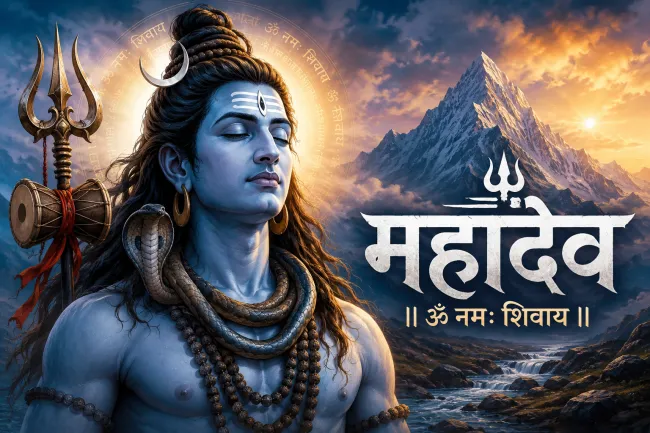
The stotram beautifully describes the divine form of Lord Shiva. It praises him as the Lord adorned with the crescent moon, the sacred river Ganga flowing through his matted locks, the serpent around his neck, and the trident in his hand. These sacred symbols represent his mastery over time, nature, fear, and the forces of the universe. Through these descriptions, devotees are encouraged to meditate upon Shiva's divine presence and seek his protection.
Spiritually, the hymn teaches that the greatest poverty is ignorance of one's true divine nature. Lord Shiva is praised as the remover of ignorance and the giver of spiritual enlightenment. Through devotion and self-discipline, devotees can overcome inner limitations and discover lasting happiness within themselves.
The Daridrya Dahana Shiva Stotram also encourages humility and surrender. It reminds devotees that all blessings come from divine grace and that pride, greed, and attachment can create suffering. By placing faith in Lord Shiva and living a righteous life, one can gradually overcome obstacles and attain both worldly success and spiritual fulfillment.
Many devotees recite this stotram during daily worship, on Mondays dedicated to Shiva, during the holy month of Shravan, and especially on Maha Shivaratri. It is believed that sincere recitation with devotion and concentration attracts positive energy, strengthens faith, and invokes the blessings of Mahadev.
The hymn also teaches that Lord Shiva's grace extends to all people regardless of their social status, wealth, or background. He is worshipped as Bholenath, the simple-hearted and compassionate Lord who responds to sincere devotion. This message provides comfort and hope to devotees facing difficulties, reminding them that divine assistance is always available through faith and prayer.
Another important aspect of the stotram is its emphasis on inner transformation. While devotees may initially recite it for relief from financial or worldly problems, the hymn gradually inspires deeper spiritual awareness. It encourages individuals to cultivate virtues such as contentment, generosity, gratitude, patience, and devotion, which are essential for a truly prosperous life.
Overall, the Daridrya Dahana Shiva Stotram is a powerful and uplifting hymn that praises Lord Shiva as the remover of poverty, suffering, and ignorance. It teaches that true prosperity includes both material well-being and spiritual richness. Through devotion to Lord Shiva, devotees seek freedom from hardship, growth in wisdom, inner peace, and the ultimate blessing of spiritual liberation.
Om Namah Shivaya – Salutations to Lord Shiva, the compassionate destroyer of poverty, sorrow, and ignorance, who blesses his devotees with prosperity, wisdom, peace, and divine grace.