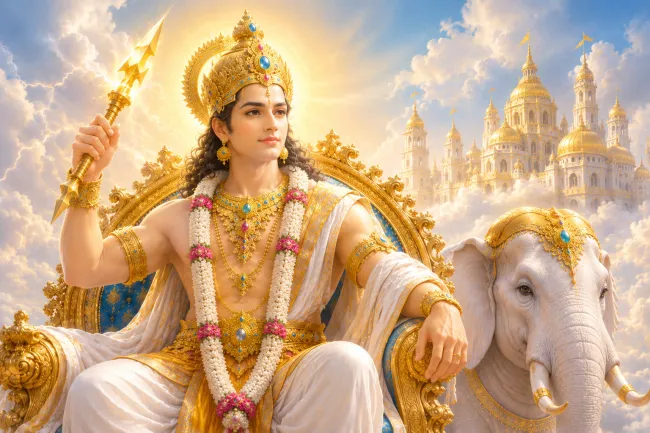
Indra Dev 11 Names
The 11 Names of Lord Indra, also known as Indra Dev Ekadasha Nama, are sacred names that praise the various divine qualities, powers, and responsibilities of Lord Indra, the king of the celestial gods. In Hindu tradition, these names are chanted with devotion to seek blessings for strength, courage, leadership, prosperity, protection, and success. Each name represents a distinct aspect of Indra's divine nature and reminds devotees of his role as the guardian of heaven and the protector of cosmic order.
Lord Indra is one of the most celebrated deities in the Vedic scriptures, particularly in the Rigveda, where he is described as the mighty ruler of the heavens, the controller of rain and storms, and the victorious warrior who protects the universe from evil forces. The chanting of his eleven names is considered a sacred spiritual practice that helps devotees connect with his divine energy and seek his guidance in overcoming life's challenges.
Importance of the 11 Names of Indra Dev
The eleven names of Indra are not merely titles; they are powerful spiritual expressions that describe his divine attributes and achievements. By reciting these names, devotees remember Lord Indra's courage, wisdom, generosity, and dedication to protecting righteousness. Each name carries a unique vibration and significance, helping the worshipper focus on specific virtues and divine qualities.
These sacred names inspire devotees to develop leadership skills, confidence, determination, and the strength to face difficulties with courage. They also serve as reminders that true power should always be accompanied by humility, responsibility, and service to others.
Spiritual Significance of the Names
The names often include:
- Indra – The mighty lord and ruler of the heavens.
- Shakra – The powerful one who possesses immense strength.
- Purandara – Destroyer of evil cities and negative forces.
- Maghavan – The generous and benevolent giver of blessings.
- Vasava – Lord of the celestial beings known as Vasus.
- Surapati – King and protector of the gods.
- Devendra – Supreme ruler among all divine beings.
- Vajradhara – Bearer of the divine thunderbolt weapon, Vajra.
- Meghavahana – Controller of clouds and rainfall.
- Svargapati – Lord of the heavenly realm.
- Sahasraksha – The thousand-eyed one who sees and protects all.
Together, these names present a complete picture of Lord Indra as a powerful king, fearless warrior, compassionate protector, and provider of prosperity.
Benefits of Chanting Indra Dev's 11 Names
According to Hindu traditions, the regular recitation of Indra Dev's eleven names can bestow numerous spiritual and worldly benefits. Devotees believe that chanting these names with faith and devotion can help remove obstacles, increase self-confidence, and attract success in personal and professional endeavors.
The practice is also believed to bring divine protection from negative influences, fear, and uncertainty. Since Lord Indra governs rain and natural forces, farmers and agricultural communities have traditionally invoked his blessings for favorable weather, abundant harvests, and prosperity.
Spiritually, the names help purify the mind and encourage positive thinking. They inspire individuals to cultivate qualities such as bravery, discipline, generosity, and leadership. Through regular remembrance of Lord Indra, devotees develop greater faith in divine guidance and protection.
Connection with Vedic Wisdom
The worship of Indra Dev dates back thousands of years to the Vedic period. In the ancient scriptures, he is praised as the slayer of the demon Vritra, who had imprisoned the world's waters. By defeating this powerful adversary with his Vajra, Indra released the rivers and rains, restoring life and prosperity to the earth.
The eleven names commemorate not only his divine authority but also his role as a protector of the natural order. They symbolize the triumph of courage over fear, wisdom over ignorance, and righteousness over evil. Through these names, devotees honor the divine forces that sustain life and maintain harmony in the