Lakshmi Dwadash Stotram
Lakshmi Dwadash Stotram is a sacred Hindu hymn dedicated to Goddess Lakshmi, the divine goddess of wealth, prosperity, fortune, beauty, purity, and auspiciousness. The term "Dwadash" means twelve, while "Stotram" refers to a hymn of praise, making this composition a devotional prayer that glorifies the twelve divine attributes and blessings associated with Goddess Lakshmi. Revered by devotees for centuries, Lakshmi Dwadash Stotram is recited to invoke the grace of the Divine Mother for material prosperity, spiritual wisdom, happiness, and overall well-being.
The stotram occupies a special place in Hindu devotional traditions because it emphasizes that Goddess Lakshmi is not only the giver of wealth but also the source of peace, knowledge, success, compassion, virtue, and divine blessings. The sacred verses describe her radiant beauty, divine glory, and compassionate nature while praying for the removal of poverty, sorrow, obstacles, and negativity from the lives of her devotees. Through sincere devotion and regular recitation, worshippers seek her protection and everlasting grace.
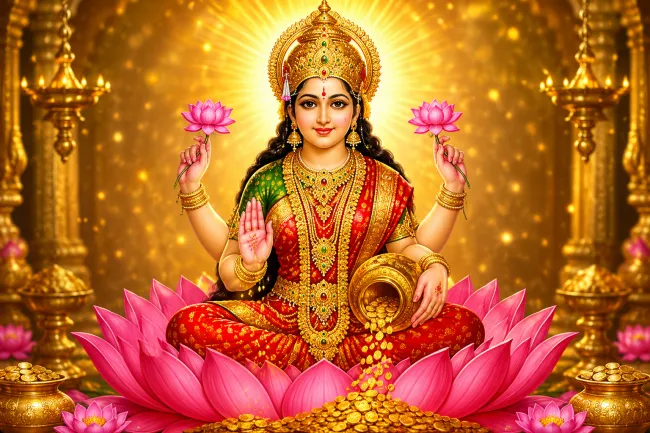
Lakshmi Dwadash Stotram beautifully portrays Goddess Lakshmi as the eternal embodiment of abundance and auspiciousness. She is described as seated upon a lotus flower, symbolizing purity, spiritual enlightenment, and detachment from worldly impurities. Her golden radiance represents prosperity and divine brilliance, while her compassionate expression reflects unconditional love and care for all beings. The hymn reminds devotees that true prosperity includes not only financial success but also health, wisdom, harmonious relationships, inner peace, and spiritual fulfillment.
One of the most significant messages conveyed by Lakshmi Dwadash Stotram is that prosperity should always be accompanied by righteousness and ethical conduct. The hymn teaches that Goddess Lakshmi resides where honesty, devotion, humility, generosity, cleanliness, discipline, and compassion flourish. It encourages individuals to live with integrity and use their wealth and resources for noble purposes, thereby creating a balance between material achievements and spiritual growth.
The regular chanting of Lakshmi Dwadash Stotram is believed to create a positive spiritual atmosphere that attracts divine blessings and removes obstacles from one's life. According to traditional beliefs, the sacred vibrations generated by the hymn help eliminate financial difficulties, reduce stress and anxiety, promote success in business and career, strengthen family relationships, and bring harmony to the household. Many devotees recite it with faith to seek stability, abundance, and divine protection in all aspects of life.
The stotram is widely recited during Friday worship, Diwali celebrations, Varalakshmi Vratam, Navratri, Sharad Purnima, Kojagiri Purnima, and other auspicious festivals dedicated to Goddess Lakshmi. It is also commonly included in daily morning or evening prayers by families seeking prosperity and spiritual blessings. The recitation of the hymn, combined with offerings of flowers, lamps, incense, fruits, and sweets, forms an important part of traditional Lakshmi worship across many regions of India.
Spiritually, Lakshmi Dwadash Stotram serves as a reminder that divine abundance is closely connected with purity of mind and righteous actions. It inspires devotees to cultivate gratitude, kindness, self-discipline, patience, and devotion while overcoming greed, jealousy, and attachment. The hymn teaches that lasting prosperity arises not merely from external wealth but from inner contentment and alignment with dharma, or righteous living.
The symbolism found throughout Lakshmi Dwadash Stotram carries deep philosophical significance. The lotus symbolizes purity and spiritual awakening, gold represents divine prosperity and brilliance, flowing water signifies continuous blessings, and light symbolizes wisdom that removes the darkness of ignorance. These sacred images remind devotees that Goddess Lakshmi nourishes both the material and spiritual dimensions of human existence, guiding individuals toward a balanced and meaningful life.
Lakshmi Dwadash Stotram is also regarded as a powerful prayer for new beginnings and important life events. Many devotees recite it before starting a business, purchasing a home, beginning a new career, or undertaking significant personal and spiritual journeys. It is believed that invoking Goddess Lakshmi through this sacred hymn brings favorable opportunities, removes obstacles, and ensures success accompanied by divine grace.
The hymn also emphasizes the importance of gratitude and generosity. It teaches that wealth should never become a source of pride or selfishness but should instead be used to support family, society, charitable activities, and spiritual pursuits. By promoting ethical prosperity and compassionate living, Lakshmi Dwadash Stotram offers timeless wisdom that remains relevant in modern life.
From a spiritual perspective, the stotram encourages meditation on the divine qualities of Goddess Lakshmi and inspires unwavering faith in her protective and nurturing presence. Its devotional verses calm the mind, purify thoughts, strengthen concentration, and deepen one's connection with the Divine Mother. Regular chanting is believed to create inner peace while attracting positive energy, happiness, and abundance into everyday life.
Even today, Lakshmi Dwadash Stotram continues to be one of the most cherished devotional hymns among followers of Goddess Lakshmi. Its teachings inspire millions of devotees to pursue prosperity through honesty, humility, hard work, and devotion while remembering that the highest form of wealth is spiritual wisdom and contentment.
Overall, Lakshmi Dwadash Stotram is much more than a hymn of praise—it is a sacred prayer that celebrates the infinite compassion and blessings of Goddess Lakshmi. It guides devotees toward a life filled with prosperity, peace, virtue, happiness, and spiritual enlightenment while reminding them that true abundance comes through divine grace, righteous actions, and unwavering devotion.
Lakshmi Dwadash Stotram is a highly revered devotional hymn dedicated to Goddess Lakshmi, the divine embodiment of wealth, prosperity, fortune, beauty, purity, and auspiciousness. The word "Dwadash" means twelve, and "Stotram" means a hymn of praise, making Lakshmi Dwadash Stotram a sacred composition that glorifies the twelve divine forms or attributes of Goddess Lakshmi. This powerful prayer is recited by devotees to seek her blessings for material abundance, spiritual growth, family happiness, success, wisdom, and inner peace.
For centuries, devotees have chanted Lakshmi Dwadash Stotram as part of their daily worship and special Lakshmi Puja rituals. The hymn beautifully praises the compassionate nature of Goddess Lakshmi, who is believed to remove poverty, suffering, misfortune, and obstacles while filling the lives of her devotees with prosperity, joy, harmony, and divine grace. The verses inspire faith and devotion, reminding worshippers that true wealth includes not only financial prosperity but also health, knowledge, virtue, and spiritual fulfillment.
The stotram presents Goddess Lakshmi as the eternal source of all auspiciousness and abundance in the universe. She is described as radiant like pure gold, adorned with celestial ornaments, seated upon a fully blossomed lotus, and surrounded by divine brilliance. The lotus symbolizes purity and spiritual awakening, representing the ability to remain untouched by worldly negativity while flourishing in wisdom and righteousness. Through these sacred descriptions, Lakshmi Dwadash Stotram highlights both the external and inner beauty of the Divine Mother.
One of the central teachings of Lakshmi Dwadash Stotram is that prosperity is inseparable from righteousness and ethical living. Goddess Lakshmi is believed to reside where truth, compassion, cleanliness, humility, discipline, charity, and devotion are practiced. The hymn encourages devotees to cultivate noble qualities and use their wealth and success for the welfare of others. In this way, it presents prosperity not merely as material gain but as a blessing that should be accompanied by generosity and moral responsibility.
Lakshmi Dwadash Stotram is traditionally recited during Fridays, Diwali celebrations, Varalakshmi Vratam, Navratri, Kojagiri Purnima, Sharad Purnima, and other auspicious occasions dedicated to Goddess Lakshmi. Many devotees also chant it daily during morning or evening prayers to invite positive energy and divine protection into their homes. The regular recitation of the stotram is believed to create an atmosphere of peace, purity, and prosperity while removing negativity and financial hardships.
The hymn emphasizes that Goddess Lakshmi is not merely the giver of wealth but also the bestower of wisdom, courage, patience, happiness, and spiritual enlightenment. It teaches that material prosperity without virtue cannot provide lasting happiness, whereas prosperity combined with devotion and righteousness leads to a balanced and fulfilling life. Thus, Lakshmi Dwadash Stotram inspires devotees to seek both external success and inner spiritual progress.
According to traditional beliefs, sincere recitation of Lakshmi Dwadash Stotram with faith and concentration can bring numerous blessings. Devotees believe that the hymn helps remove financial obstacles, supports career growth, improves business success, strengthens family relationships, promotes mental peace, and attracts auspicious opportunities. It is also considered beneficial for students seeking knowledge, professionals seeking success, and families praying for harmony and stability.
Spiritually, Lakshmi Dwadash Stotram serves as a meditation on the divine qualities of Goddess Lakshmi. Each verse encourages devotees to surrender their fears, attachments, and anxieties at the feet of the Divine Mother while developing gratitude, humility, and unwavering faith. The hymn reminds worshippers that divine abundance flows naturally into the lives of those who live with honesty, devotion, compassion, and self-discipline.
The symbolism within Lakshmi Dwadash Stotram carries profound philosophical meaning. The lotus signifies purity and detachment, gold symbolizes divine brilliance and prosperity, elephants represent strength and royal authority, flowing water signifies continuous blessings, and light represents knowledge that removes ignorance. Together, these symbols portray Goddess Lakshmi as the universal force that sustains creation through nourishment, abundance, beauty, and grace.
The recitation of Lakshmi Dwadash Stotram is often accompanied by offerings of lotus flowers, fresh fruits, sweets, turmeric, kumkum, rice, incense, lamps, and sacred water. Devotees light ghee lamps before the goddess and perform the ritual with devotion while maintaining purity of mind and body. Many families include the stotram in their weekly Friday worship, believing that it invites everlasting prosperity and protects the household from misfortune.
Beyond its devotional significance, Lakshmi Dwadash Stotram also offers timeless guidance for everyday life. It teaches that wealth should be earned through honest effort, preserved with wisdom, and shared with compassion. The hymn emphasizes gratitude toward the Divine for every blessing received and encourages individuals to avoid greed, arrogance, and selfishness. Through these teachings, it promotes a balanced life rooted in spiritual values and ethical conduct.
For spiritual aspirants, Lakshmi Dwadash Stotram becomes a powerful means of connecting with the compassionate energy of the Divine Mother. The rhythmic recitation of its sacred verses calms the mind, purifies thoughts, strengthens concentration, and deepens devotion. Many practitioners believe that regular chanting creates positive vibrations that enhance both spiritual awareness and emotional well-being.
In modern times, Lakshmi Dwadash Stotram continues to inspire millions of devotees seeking prosperity, happiness, stability, and divine guidance. Its timeless message reminds humanity that the greatest wealth is not merely accumulated possessions but a life filled with wisdom, kindness, contentment, devotion, and service to others. The hymn beautifully integrates material success with spiritual elevation, making it relevant for people from all walks of life.
Overall, Lakshmi Dwadash Stotram is a sacred hymn that celebrates the limitless compassion and blessings of Goddess Lakshmi. Through its devotional verses, it encourages devotees to cultivate faith, righteousness, gratitude, and generosity while seeking divine grace for prosperity, peace, success, and spiritual fulfillment. Its recitation remains a cherished practice in Hindu tradition, guiding seekers toward a life enriched by both material abundance and eternal inner happiness.