Lakshmi Kanakadhara Stotram
Lakshmi Kanakadhara Stotram is one of the most celebrated and spiritually significant hymns dedicated to Goddess Lakshmi, the divine goddess of wealth, prosperity, fortune, beauty, abundance, and auspiciousness. This sacred Sanskrit composition was written by the great philosopher and saint Adi Shankaracharya, whose devotion and compassion gave birth to one of the most powerful prayers in Hindu tradition. The hymn is revered by millions of devotees who chant it to seek the blessings of Goddess Lakshmi for financial stability, happiness, success, spiritual growth, family harmony, and protection from poverty and hardships.
The word Kanakadhara is formed from two Sanskrit words: "Kanaka," meaning gold, and "Dhara," meaning stream or flow. Thus, Kanakadhara literally translates to "the flow of gold" or "the shower of golden prosperity." The name reflects the central theme of the stotram, which is the invocation of Goddess Lakshmi's limitless grace and her ability to bless devotees with abundance in both material and spiritual forms.
The origin of Lakshmi Kanakadhara Stotram is associated with a beautiful and inspiring legend from the life of Adi Shankaracharya. According to traditional accounts, while seeking alms during his early years as a monk, Adi Shankaracharya arrived at the humble home of a poor Brahmin woman. Despite having almost nothing to eat, the woman offered him her only available possession—a single amla (Indian gooseberry) fruit—with complete devotion and generosity. Deeply moved by her selfless act of charity, Adi Shankaracharya composed this magnificent hymn in praise of Goddess Lakshmi, praying that the compassionate goddess bless the woman and remove her suffering. It is believed that Goddess Lakshmi, pleased by the woman's sincerity and the saint's heartfelt prayer, showered her house with golden amla fruits, transforming her life with prosperity and abundance. This divine event became the inspiration behind the name Kanakadhara Stotram.
Lakshmi Kanakadhara Stotram is much more than a prayer for wealth. It is a profound spiritual composition that teaches the importance of generosity, humility, compassion, faith, gratitude, and righteous living. The hymn emphasizes that divine grace is attracted by purity of heart rather than material possessions. Through the story behind its origin, the stotram reminds devotees that even the smallest offering made with sincerity can invoke immense blessings from the Divine Mother.
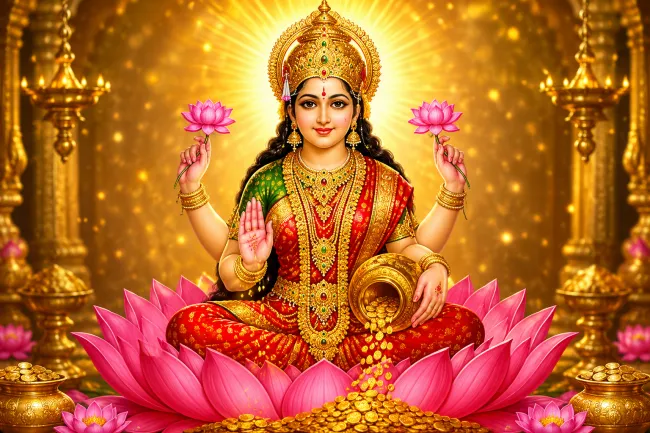
The verses of Kanakadhara Stotram beautifully describe the incomparable beauty and divine attributes of Goddess Lakshmi. She is portrayed as radiant like molten gold, adorned with celestial ornaments, dressed in magnificent garments, and seated gracefully upon a lotus flower. Her lotus seat symbolizes purity, detachment, and spiritual enlightenment, while her golden brilliance represents prosperity, wisdom, and divine consciousness that nourishes all creation. The hymn glorifies her as the eternal source of fortune, compassion, and auspiciousness for the entire universe.
A unique aspect of Lakshmi Kanakadhara Stotram is its repeated prayer for the divine glance (Kataksha) of Goddess Lakshmi. Hindu tradition believes that a single compassionate glance from the goddess has the power to remove poverty, obstacles, misfortune, suffering, and negative karma while filling the devotee's life with abundance, peace, success, knowledge, and spiritual fulfillment. The stotram therefore focuses on seeking her merciful blessings rather than merely asking for material riches.
The hymn also conveys the deeper philosophical truth that real prosperity extends far beyond financial wealth. It teaches that true abundance includes physical health, mental peace, wisdom, virtue, devotion, harmonious relationships, happiness, contentment, and spiritual realization. Material prosperity without morality and inner peace cannot provide lasting fulfillment, whereas wealth accompanied by righteousness becomes a blessing for both the individual and society.
Lakshmi Kanakadhara Stotram is widely recited during Friday worship, Diwali, Varalakshmi Vratam, Navratri, Akshaya Tritiya, Sharad Purnima, Kojagiri Purnima, and other auspicious occasions dedicated to Goddess Lakshmi. Many devotees also include the hymn in their daily spiritual practices, believing that its sacred vibrations purify the environment and attract divine grace into their homes and workplaces. Business owners, students, professionals, homemakers, and spiritual seekers alike chant the stotram with faith for prosperity and protection.
According to traditional beliefs, the regular recitation of Lakshmi Kanakadhara Stotram offers numerous benefits. Devotees believe it helps remove financial difficulties, reduce debts, attract wealth, improve business growth, support career advancement, enhance educational success, strengthen family harmony, and remove obstacles from important life endeavors. Spiritually, the hymn is believed to purify the mind, increase devotion, reduce anxiety, and inspire confidence through surrender to divine grace.
The symbolism found throughout Kanakadhara Stotram is rich with spiritual meaning. The lotus represents purity amidst worldly life, gold symbolizes divine prosperity and brilliance, flowing abundance signifies endless blessings, and light symbolizes the removal of ignorance through knowledge and wisdom. Together, these symbols teach that external prosperity should always be accompanied by inner purity, humility, and spiritual awareness.
The hymn strongly emphasizes ethical living and righteous conduct as the foundation of lasting prosperity. Goddess Lakshmi is believed to dwell where honesty, charity, discipline, cleanliness, devotion, compassion, and gratitude are practiced. The stotram encourages devotees to acquire wealth through ethical means and to use their resources for noble purposes such as helping others, supporting charitable causes, and serving society. In this way, the hymn presents prosperity as a divine responsibility rather than merely a personal achievement.
For spiritual seekers, Lakshmi Kanakadhara Stotram serves as a powerful meditation on the limitless compassion of the Divine Mother. Its poetic verses inspire surrender, faith, and gratitude while encouraging the cultivation of selflessness and devotion. The hymn teaches that divine blessings naturally flow toward those who maintain purity of heart and act with kindness toward others.
In today's fast-paced world, Lakshmi Kanakadhara Stotram continues to inspire millions of people seeking stability, prosperity, emotional balance, and spiritual guidance. Its timeless message remains relevant across generations, reminding humanity that the greatest wealth lies not only in material possessions but also in wisdom, compassion, devotion, and inner contentment. The story behind the hymn illustrates that sincere generosity, even in times of scarcity, possesses the power to transform destiny through divine grace.
Overall, Lakshmi Kanakadhara Stotram stands as one of the finest devotional hymns in Hindu literature, combining poetic beauty with profound spiritual wisdom. It celebrates the boundless compassion of Goddess Lakshmi and encourages devotees to seek prosperity through faith, humility, righteousness, and generosity. Through regular recitation and sincere devotion, the stotram inspires individuals to cultivate both material success and spiritual enlightenment, making it a timeless source of divine inspiration and blessings for countless devotees around the world.