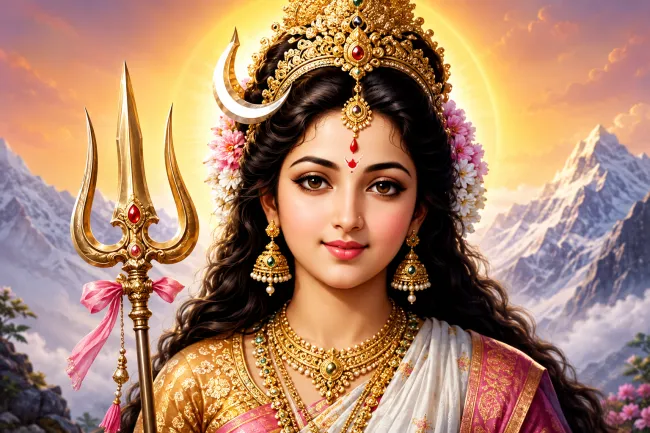
Maa Parvati 108 Names
The 108 Names of Maa Parvati, popularly known as the Parvati Ashtottara Shatanamavali, are a sacred collection of divine names that glorify the many virtues, powers, and manifestations of Goddess Parvati. Revered as the Divine Mother and the embodiment of Shakti, Maa Parvati represents love, compassion, devotion, strength, wisdom, purity, and spiritual energy. Each of her 108 names highlights a unique aspect of her divine personality, allowing devotees to connect with her infinite grace and blessings.
Chanting the 108 names of Maa Parvati is considered one of the most powerful forms of worship in Hindu tradition. The sacred names describe her as the daughter of the Himalayas, the beloved consort of Lord Shiva, the mother of Lord Ganesha and Lord Kartikeya, and the universal protector of all living beings. Through these names, devotees remember her qualities of patience, courage, kindness, and unwavering devotion.
The number 108 holds great spiritual significance in Hinduism and symbolizes completeness, cosmic order, and divine perfection. Reciting Maa Parvati's 108 names helps devotees focus their minds, purify their hearts, and deepen their connection with the Divine Mother. This devotional practice is believed to bring inner peace, positive energy, spiritual growth, and divine protection.
Each name of Maa Parvati carries profound meaning. Some names celebrate her beauty and purity, while others honor her as a fierce protector who destroys negativity and restores righteousness. Names such as Gauri, Uma, Bhavani, Shivapriya, Jagadamba, and Maheshwari reveal her various divine forms and responsibilities in the universe. Together, these names paint a complete picture of the goddess as both a nurturing mother and a powerful source of cosmic energy.
Devotees regularly recite the Parvati Ashtottara Shatanamavali during daily prayers, special pujas, Navratri celebrations, Hartalika Teej, Gangaur, and Maha Shivaratri. The chanting is often accompanied by offerings of flowers, incense, fruits, and sacred prayers. Many worshippers believe that sincere recitation of these names brings prosperity, happiness, marital harmony, family well-being, and success in life's endeavors.
One of the most important aspects of Maa Parvati's 108 names is their emphasis on devotion and spiritual transformation. Her life story teaches the value of determination, faith, self-discipline, and unconditional love. By meditating on her sacred names, devotees are inspired to develop these virtues within themselves and walk the path of righteousness and spiritual progress.
The 108 names also highlight Maa Parvati's role as the ideal wife and mother. Her divine relationship with Lord Shiva symbolizes perfect harmony between masculine and feminine energies, while her motherhood reflects nurturing care, protection, and unconditional affection. These qualities make her a source of inspiration for millions of devotees seeking balance, happiness, and fulfillment in their personal and spiritual lives.
Regular chanting of Maa Parvati's sacred names is believed to remove obstacles, reduce stress, promote emotional stability, and strengthen confidence. Devotees often experience a sense of comfort and reassurance knowing that the Divine Mother is guiding and protecting them through life's challenges. Her blessings are said to help overcome difficulties, attract positive opportunities, and cultivate a peaceful state of mind.
Beyond material blessings, the Parvati Ashtottara Shatanamavali serves as a powerful spiritual tool for self-discovery and inner awakening. The names remind devotees of the divine qualities that exist within every individual and encourage them to cultivate compassion, wisdom, patience, and courage. Through regular recitation, one can develop a deeper understanding of the sacred feminine energy that sustains and nurtures the universe.
In conclusion, the 108 Names of Maa Parvati are a sacred treasure of Hindu devotion that celebrate the limitless glory of the Divine Mother. They offer devotees a meaningful way to worship, meditate, and seek the blessings of the goddess. Whether recited during festivals, daily prayers, or special spiritual occasions, the Parvati Ashtottara Shatanamavali continues to inspire faith, devotion, and spiritual growth. Through these divine names, devotees experience the loving presence of Maa Parvati and receive her blessings for peace, prosperity, protection, happiness, and ultimate spiritual fulfillment.
The 108 Names of Maa Parvati, also known as the Parvati Ashtottara Shatanamavali, hold a special place in Hindu worship and devotion. Maa Parvati is revered as the Divine Mother, the embodiment of Shakti (cosmic energy), and the beloved consort of Lord Shiva. Chanting her 108 sacred names is considered a powerful spiritual practice that invokes her blessings, protection, wisdom, prosperity, and divine grace.
Each name of Maa Parvati represents a unique aspect of her divine personality and reveals her countless qualities. Some names describe her beauty and compassion, while others highlight her strength, wisdom, courage, and role as the universal mother. Through these sacred names, devotees can connect with the various manifestations of the goddess and experience her divine presence in their lives.
Importance of Maa Parvati's 108 Names
The number 108 is considered highly sacred in Hinduism. It symbolizes spiritual completeness, divine perfection, and cosmic harmony. Reciting the 108 names of Maa Parvati allows devotees to meditate upon her virtues and cultivate positive qualities such as patience, devotion, kindness, courage, and inner strength.
The practice of chanting these names is especially popular during religious festivals such as Navratri, Hartalika Teej, Gangaur, and Maha Shivaratri. Devotees also recite the names during daily worship to seek blessings for happiness, prosperity, marital harmony, and spiritual growth.
Spiritual Significance of the Names
Every name in the Parvati Ashtottara Shatanamavali carries deep spiritual meaning. Some names honor her as the daughter of the Himalayas, while others recognize her as the divine wife of Lord Shiva and the mother of Lord Ganesha and Lord Kartikeya.
Names such as Gauri symbolize purity and radiance, while names like Shivapriya reflect her deep love and devotion toward Lord Shiva. Other names such as Jagadamba highlight her role as the mother of the universe, nurturing and protecting all living beings.
When devotees chant these names with faith and concentration, they are reminded of the goddess's divine qualities and inspired to incorporate those virtues into their own lives.
Benefits of Chanting Maa Parvati's 108 Names
The regular recitation of Maa Parvati's 108 names is believed to provide numerous spiritual and worldly benefits. Devotees often experience a sense of peace, positivity, and divine protection after incorporating this sacred practice into their daily routine.
Some of the traditionally believed benefits include:
- Strengthening devotion and spiritual awareness.
- Bringing peace and harmony into family life.
- Promoting marital happiness and stability.
- Removing obstacles and negative influences.
- Enhancing confidence, courage, and determination.
- Attracting prosperity, abundance, and success.
- Improving emotional balance and mental clarity.
- Offering protection from difficulties and hardships.
- Helping devotees cultivate patience and compassion.
- Encouraging personal and spiritual transformation.
Maa Parvati as the Divine Mother
One of the most beautiful aspects of Maa Parvati's 108 names is their portrayal of her as the universal mother. She is compassionate, nurturing, forgiving, and endlessly loving toward her devotees. Her names remind worshippers that divine grace is always available to those who seek it with sincerity and faith.
As the mother of Lord Ganesha and Lord Kartikeya, she symbolizes ideal motherhood, care, sacrifice, and wisdom. Devotees often pray to her for the well-being of their families, children, and loved ones.
Connection with Lord Shiva
Many of Maa Parvati's names emphasize her eternal bond with Lord Shiva. Their divine union represents the perfect balance between consciousness and energy, stillness and action, wisdom and power. In Hindu philosophy, Shiva and Parvati together symbolize the complete cosmic reality.
Through the chanting of her sacred names, devotees contemplate this divine relationship and learn the importance of harmony, mutual respect, devotion, and spiritual partnership.
Worship of Maa Parvati Through the 108 Names
The recitation of Maa Parvati's 108 names is usually performed during puja with flowers, kumkum, incense, and offerings. Many devotees offer a flower or rice grain after each name as a symbol of devotion and gratitude.
The best times for chanting include:
- Early morning during daily worship.
- Mondays, which are sacred to Lord Shiva and Parvati.
- Fridays, dedicated to the worship of the Divine Mother.
- Navratri celebrations.
- Hartalika Teej and Gangaur festivals.
- Maha Shivaratri.
- Special family ceremonies and spiritual observances.
Even a simple and heartfelt recitation can create a powerful spiritual atmosphere and strengthen one's connection with the goddess.
Symbolism Found in the 108 Names
The sacred names of Maa Parvati reveal various dimensions of her divine nature:
Compassion: She is the loving mother who protects and guides her devotees.
Strength: She possesses the power to overcome evil and restore righteousness.
Wisdom: She grants knowledge, discernment, and spiritual understanding.
Purity: She represents inner and outer purity, inspiring virtuous living.
Prosperity: Her blessings help devotees achieve success and abundance.
Protection: She shields her devotees from negativity, fear, and obstacles.
Transformation: She empowers spiritual growth and self-realization.
These qualities make her one of the most revered and worshipped goddesses in Hindu tradition.
Why Devotees Recite Maa Parvati's 108 Names
Millions of devotees recite Maa Parvati's 108 names because they believe the practice deepens faith, purifies the mind, and invites divine blessings into their lives. The names serve as a spiritual meditation that helps individuals focus on positive qualities and develop a stronger connection with the Divine Mother.
The chanting also creates a sense of inner peace and devotion, allowing worshippers to experience spiritual comfort and emotional strength during challenging times.
Conclusion
The 108 Names of Maa Parvati (Parvati Ashtottara Shatanamavali) are a sacred collection of divine names that celebrate the many glorious aspects of the Goddess. Each name reflects her beauty, wisdom, compassion, strength, and boundless love for creation. Through the recitation of these holy names, devotees honor the Divine Mother and seek her blessings for happiness, prosperity, protection, spiritual growth, and inner peace.
For centuries, the chanting of Maa Parvati's 108 names has remained an important devotional practice, helping devotees strengthen their faith and experience the divine grace of the Goddess. Whether recited during daily worship, festivals, or special spiritual occasions, the Parvati Ashtottara Shatanamavali continues to inspire devotion, transform lives, and bring devotees closer to the loving embrace of Maa Parvati.