Pradosh Vrat
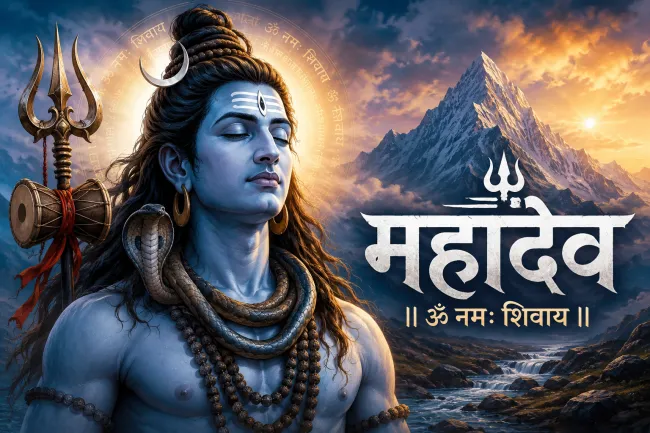
Pradosh Vrat is one of the most sacred and spiritually significant fasting observances dedicated to Lord Shiva and Goddess Parvati in Hindu tradition. It is observed twice every lunar month on the Trayodashi Tithi (13th day of both waxing and waning moon phases). The word Pradosh refers to the twilight period of evening, which is considered highly auspicious for worshiping Lord Shiva. Devotees believe that during this time, Lord Shiva is in a deeply blissful state, and sincere prayers offered to Him bring immense blessings, peace, and fulfillment of desires.
The spiritual importance of Pradosh Vrat is deeply rooted in Hindu scriptures and traditions. It is believed that observing this fast with devotion helps remove sins, destroy negative karma, and free the devotee from life’s obstacles and difficulties. The vrat is especially significant for those seeking happiness, prosperity, health, spiritual growth, and liberation (moksha). It is said that worship performed during Pradosh Kaal (the period just before and after sunset) yields powerful spiritual results.
According to Hindu mythology, the origin of Pradosh Vrat is linked to the divine activities of Lord Shiva. It is believed that during the Pradosh period, Lord Shiva performs the cosmic dance of creation, preservation, and destruction. Devotees who worship Him at this time are said to receive His direct grace. The atmosphere during Pradosh Kaal is considered charged with divine energy, making it an ideal time for meditation, prayer, and mantra chanting.
The observance of Pradosh Vrat involves fasting, prayer, and night-long devotion to Lord Shiva. Devotees usually begin the fast early in the morning and continue until the evening worship is completed. In the evening, they perform Shiva puja with deep devotion, offering water, milk, honey, Bilva leaves, flowers, and incense to the Shiva Linga. The chanting of “Om Namah Shivaya” and other Shiva mantras forms an essential part of the worship.
There are different types of Pradosh Vrats based on the weekday on which Trayodashi falls. Each type has its own significance:
- Som Pradosh (Monday) – Grants mental peace, happiness, and relief from sorrow
- Bhaum Pradosh (Tuesday) – Helps remove debts, diseases, and obstacles
- Guru Pradosh (Thursday) – Brings wisdom, prosperity, and spiritual progress
- Shani Pradosh (Saturday) – Removes severe difficulties, karmic obstacles, and delays in success
Each variation is believed to enhance specific blessings from Lord Shiva depending on the devotee’s needs and intentions.
The rituals of Pradosh Vrat are simple yet deeply powerful. Devotees clean their homes and temples, take a holy bath, and wear clean clothes. They then perform Shiva Abhishekam with sacred offerings and chant Shiva stotras and mantras. Many devotees also read or listen to stories associated with Lord Shiva and Goddess Parvati during this time. The evening worship is considered the most important part of the vrat.
Pradosh Vrat is often observed alongside other Shiva-related spiritual practices such as chanting the Maha Mrityunjaya Mantra, Lingashtakam, Shiv Manas Pooja, and participation in festivals like Maha Shivaratri. Devotees also visit sacred Shiva temples such as Kashi Vishwanath Jyotirlinga and other Jyotirlinga shrines to offer prayers during this auspicious vrat.
Spiritually, Pradosh Vrat teaches discipline, devotion, and surrender to the Divine. Fasting during this vrat is not only physical but also mental and emotional purification. It helps devotees control desires, focus the mind, and strengthen spiritual awareness. The practice encourages simplicity, humility, and detachment from material distractions while deepening faith in Lord Shiva.
Another important belief associated with Pradosh Vrat is that sincere observance helps remove long-standing problems in life. Devotees believe that Lord Shiva, being the destroyer of ignorance and suffering, blesses those who observe this vrat with patience and devotion. It is said to bring harmony in relationships, success in endeavors, and relief from chronic difficulties.
The vrat also has a strong meditative aspect. The evening time of Pradosh Kaal is considered ideal for inner reflection and spiritual practice. Many devotees use this time for chanting, meditation, and self-inquiry. This helps calm the mind and create a deeper connection with divine consciousness.
In conclusion, Pradosh Vrat is a powerful and highly auspicious fasting practice dedicated to Lord Shiva, observed during the sacred twilight period of Trayodashi. It combines devotion, discipline, fasting, and prayer to purify the mind and attract divine blessings. The vrat is believed to remove obstacles, fulfill desires, and guide devotees toward peace, prosperity, and spiritual liberation. By observing Pradosh Vrat with sincerity and faith, devotees strengthen their connection with Lord Shiva and move closer to inner transformation and ultimate spiritual awakening. Om Namah Shivaya.
Pradosh Vrat is a highly sacred and spiritually significant fasting ritual dedicated to Lord Shiva and Goddess Parvati in Hindu tradition. It is observed twice every lunar month on the Trayodashi Tithi (the 13th day of both the waxing and waning phases of the moon). The word Pradosh refers to the twilight period of the evening, just before and after sunset, which is considered the most auspicious time for worshipping Lord Shiva. According to tradition, this is the time when divine energies are at their peak and Lord Shiva is believed to be in a deeply blissful and compassionate state, ready to bless His devotees.
The origin and importance of Pradosh Vrat are deeply rooted in Hindu scriptures and devotional traditions. It is believed that worship performed during Pradosh Kaal brings powerful spiritual benefits and helps remove sins, karmic obstacles, and negative influences from one’s life. Devotees observe this vrat to seek peace, prosperity, health, happiness, and spiritual upliftment. It is also considered highly beneficial for overcoming difficulties, delays, and long-standing problems in life.
The observance of Pradosh Vrat is associated with the divine cosmic activities of Lord Shiva. It is believed that during Pradosh time, Lord Shiva performs His cosmic dance of creation, preservation, and destruction. This sacred moment symbolizes the continuous cycle of the universe governed by divine consciousness. Devotees who worship Lord Shiva during this time are believed to receive His direct blessings, protection, and grace.
The practice of Pradosh Vrat involves fasting, prayer, and evening worship. Devotees usually begin the fast at sunrise and continue it until the evening puja is completed. The most important part of the vrat is the Pradosh Kaal Shiva Puja, performed just after sunset. During this time, devotees offer water, milk, honey, curd, ghee, Bilva leaves, flowers, incense, and lamps to the Shiva Linga while chanting “Om Namah Shivaya” and other sacred Shiva mantras.
There are different types of Pradosh Vrats based on the weekday on which Trayodashi occurs, and each type is believed to grant specific blessings:
- Som Pradosh (Monday) – Brings peace of mind, emotional stability, and happiness
- Bhaum Pradosh (Tuesday) – Removes debts, illnesses, and obstacles
- Guru Pradosh (Thursday) – Enhances wisdom, knowledge, and prosperity
- Shani Pradosh (Saturday) – Helps overcome severe karmic difficulties and delays
Each variation of Pradosh Vrat carries unique spiritual significance and is observed with specific intentions and prayers.
The rituals of Pradosh Vrat are simple yet deeply powerful. Devotees clean their homes and worship spaces, take a sacred bath, and wear clean clothes. They prepare for evening worship by focusing the mind on Lord Shiva. During the Pradosh Kaal, they perform Abhishekam (ritual bathing of the Shiva Linga), chant Shiva stotras such as Lingashtakam and Shiv Manas Pooja, and meditate on Lord Shiva’s divine form.
Pradosh Vrat is also closely associated with other Shiva devotional practices and sacred observances. It is often combined with chanting the Maha Mrityunjaya Mantra, reciting Shiva Sahasranamavali, and participating in major festivals like Maha Shivaratri. Devotees also visit important Shiva temples such as Kashi Vishwanath Jyotirlinga and other Jyotirlingas to offer prayers during this auspicious time.
Spiritually, Pradosh Vrat teaches self-discipline, devotion, and surrender to Lord Shiva. The practice of fasting helps control physical desires, while prayer and meditation purify the mind and emotions. It encourages devotees to develop patience, humility, and faith. By observing this vrat sincerely, one learns to detach from material distractions and focus on higher spiritual goals.
The evening timing of Pradosh Vrat is considered especially powerful for meditation and spiritual awakening. The transition between day and night symbolizes the balance between light and darkness, knowledge and ignorance. Worship during this time helps devotees align their consciousness with divine energy and experience inner peace and clarity.
Another important belief is that Pradosh Vrat helps remove long-standing difficulties in life. Devotees believe that Lord Shiva, being the destroyer of negativity and suffering, blesses those who observe this vrat with sincerity. It is said to improve relationships, bring success in endeavors, and provide relief from ongoing problems and hardships.
The vrat also holds deep psychological and emotional significance. Fasting and devotion help calm the mind, reduce stress, and increase focus. The chanting of mantras and participation in rituals create a positive spiritual atmosphere that promotes emotional balance and mental well-being. Over time, this practice strengthens faith and builds a deeper connection with the Divine.
In essence, Pradosh Vrat is not just a ritual of fasting but a complete spiritual discipline that combines devotion, self-control, and inner reflection. It guides devotees toward a balanced life rooted in faith and righteousness. By observing it regularly, one gradually develops spiritual awareness and a stronger sense of purpose.
In conclusion, Pradosh Vrat is a powerful and sacred observance dedicated to Lord Shiva that takes place during the auspicious twilight of Trayodashi. It is believed to remove obstacles, purify karma, and bring peace, prosperity, and divine blessings. Through fasting, prayer, and devotion, devotees strengthen their connection with Lord Shiva and move toward spiritual growth, inner peace, and ultimate liberation. Om Namah Shivaya.