Shiv Mahimna Stotra
The Shiv Mahimna Stotra is one of the most sacred and revered hymns dedicated to Lord Shiva. It is a profound devotional composition that praises the infinite greatness, divine glory, supreme power, and boundless compassion of Lord Shiva. This stotra is highly respected in Hindu tradition and is recited by devotees to express their devotion, seek divine blessings, and deepen their spiritual understanding.
Traditionally attributed to Pushpadanta, the Shiv Mahimna Stotra is considered one of the finest examples of devotional poetry. The hymn emphasizes that the greatness of Lord Shiva is beyond the limits of human speech, thought, and imagination. Even the most learned sages, gods, and scholars cannot fully describe the infinite nature of Mahadev. This central idea teaches humility and reminds devotees that the Divine transcends all worldly understanding.
One of the primary themes of the Shiv Mahimna Stotra is the supreme and eternal nature of Lord Shiva. The hymn presents Shiva as the ultimate reality that exists beyond creation and destruction. He is described as the source of the universe, the protector of all beings, and the divine force that sustains cosmic order. Although Shiva manifests in various forms to bless devotees, his true essence remains infinite, eternal, and beyond all limitations.
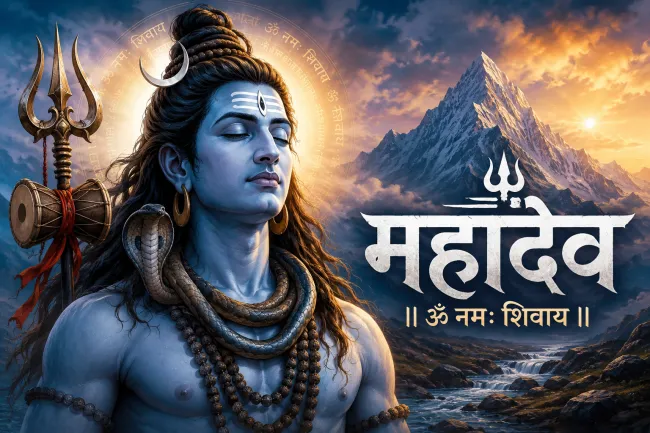
The stotra beautifully praises Lord Shiva's divine attributes and symbolic appearance. It describes his matted locks through which the sacred river Ganga flows, the crescent moon adorning his forehead, the serpent around his neck, and the sacred ash covering his body. These symbols represent profound spiritual truths such as purity, wisdom, detachment, fearlessness, and mastery over worldly desires. Through these descriptions, devotees are encouraged to meditate on Shiva's deeper spiritual significance.
A major message of the Shiv Mahimna Stotra is that all spiritual paths ultimately lead to the same Divine Truth. The hymn explains that just as rivers from different regions eventually merge into the ocean, different forms of worship and spiritual practices ultimately lead to the Supreme Reality. This teaching promotes harmony, tolerance, and respect for various religious and philosophical traditions.
The stotra also highlights Lord Shiva's role as the compassionate protector of his devotees. It teaches that Shiva responds to sincere devotion regardless of a person's background, wealth, or status. His grace is available to everyone who approaches him with faith, humility, and a pure heart. This universal accessibility makes Lord Shiva one of the most beloved deities in Hinduism.
Another important aspect of the hymn is its emphasis on humility and surrender. Throughout the stotra, the devotee acknowledges the limitations of human understanding and expresses deep reverence for the immeasurable greatness of Shiva. This attitude of humility is presented as an essential step toward spiritual growth and self-realization.
Spiritually, the Shiv Mahimna Stotra teaches that ignorance is the root cause of suffering. Lord Shiva is praised as the remover of ignorance and the giver of wisdom. Through devotion, meditation, and divine grace, devotees can overcome attachment, ego, and illusion and move toward spiritual enlightenment. The hymn encourages individuals to seek inner transformation rather than becoming attached solely to material success.
The stotra also celebrates the power of bhakti (devotion). It teaches that sincere devotion is more important than elaborate rituals or external displays of worship. Even simple prayers offered with genuine faith can attract the blessings of Lord Shiva. This message makes the hymn meaningful and accessible to devotees from all walks of life.
Regular recitation of the Shiv Mahimna Stotra is believed to bring numerous spiritual and emotional benefits. Devotees believe it helps purify the mind, strengthen faith, remove obstacles, increase wisdom, and bring inner peace. The hymn is commonly recited during daily worship, on Mondays dedicated to Shiva, during the holy month of Shravan, and especially on Maha Shivaratri.
Another significant teaching of the stotra is the temporary nature of worldly achievements. It reminds devotees that wealth, power, and material possessions are fleeting, while spiritual wisdom and divine realization are eternal. By focusing on devotion and self-knowledge, individuals can attain lasting happiness and fulfillment.
The hymn further teaches that Lord Shiva is present throughout the universe and within every living being. This understanding inspires devotees to develop compassion, kindness, and respect for all forms of life. It encourages a broader vision of spirituality based on unity and divine consciousness.
Overall, the Shiv Mahimna Stotra is a magnificent hymn of praise that celebrates the infinite glory, wisdom, and compassion of Lord Shiva. It teaches humility, devotion, self-realization, and the universality of divine truth. Through its profound verses, devotees are inspired to deepen their faith, cultivate spiritual virtues, and seek the ultimate goal of liberation. The stotra remains a timeless source of inspiration, guiding countless seekers toward peace, wisdom, and union with the Divine.
Om Namah Shivaya – May the infinite grace of Lord Shiva bless all devotees with wisdom, devotion, inner peace, spiritual strength, and the realization of the eternal truth that lies beyond all limitations.
The Shiv Mahimna Stotra is one of the most revered and spiritually profound hymns dedicated to Lord Shiva. It is a magnificent devotional composition that glorifies the infinite greatness, divine qualities, cosmic power, and boundless compassion of Lord Shiva. Revered by devotees for centuries, this sacred stotra is considered one of the finest expressions of devotion and praise in Hindu spiritual literature.
According to traditional belief, the Shiv Mahimna Stotra was composed by Pushpadanta, a celestial Gandharva known for his devotion and musical talents. The story behind the stotra teaches the importance of humility, devotion, and the limitless mercy of Lord Shiva. Through divine inspiration, Pushpadanta composed this hymn to seek forgiveness and glorify the supreme greatness of Mahadev.
The word “Mahimna” means greatness, glory, or magnificence, while Stotra means a hymn of praise. Thus, the Shiv Mahimna Stotra can be understood as “The Hymn Celebrating the Infinite Glory of Lord Shiva.” The stotra beautifully explains that the greatness of Lord Shiva is beyond the limits of human language, thought, and imagination. Even the most learned sages, scholars, and gods cannot fully describe his divine nature.
One of the central themes of the Shiv Mahimna Stotra is the infinite and indescribable nature of Lord Shiva. The hymn teaches that Shiva is the Supreme Reality who transcends all limitations of time, space, and form. He is the source of creation, preservation, and dissolution of the universe. Although he appears in various forms to bless devotees, his true nature is eternal, limitless, and beyond human comprehension.
The stotra praises Lord Shiva as the supreme ruler of the cosmos and the ultimate refuge of all beings. It describes him as the compassionate Lord who protects devotees, removes suffering, destroys ignorance, and grants spiritual liberation. The hymn repeatedly emphasizes that Shiva's grace is available to all who worship him with sincerity and devotion.
Another important aspect of the Shiv Mahimna Stotra is its philosophical depth. The hymn explores profound spiritual concepts related to the nature of God, the universe, and the soul. It teaches that all paths of worship ultimately lead to the same Supreme Truth. Just as rivers flowing from different directions ultimately merge into the ocean, all sincere spiritual paths eventually lead to the Divine.
The stotra also highlights Lord Shiva's unique and symbolic appearance. It describes his matted locks adorned with the sacred river Ganga, the crescent moon shining upon his forehead, the serpent around his neck, and the sacred ash covering his body. These symbols represent Shiva's mastery over nature, time, ego, and worldly attachments. Through these descriptions, devotees are encouraged to meditate upon the deeper spiritual truths embodied by Mahadev.
A major theme throughout the hymn is humility before the Divine. The composer repeatedly acknowledges the limitations of human understanding and expresses reverence for the immeasurable greatness of Lord Shiva. This humility is presented as an essential quality for spiritual growth. The stotra teaches that true wisdom begins when one recognizes the vastness of divine reality and approaches it with devotion and surrender.
The Shiv Mahimna Stotra also celebrates Lord Shiva's role as the destroyer of ignorance and the giver of knowledge. It teaches that worldly achievements and material possessions are temporary, while spiritual wisdom is eternal. Through devotion to Shiva, devotees can overcome ignorance, discover their true nature, and attain lasting peace and fulfillment.
Spiritually, the hymn serves as a guide toward self-realization. It encourages devotees to rise above ego, pride, attachment, and selfish desires. By contemplating Shiva's greatness, individuals develop virtues such as humility, compassion, devotion, patience, and inner strength. These qualities help them progress on the path of spiritual awakening.
The stotra also emphasizes the power of devotion (bhakti). It teaches that sincere love and faith in Lord Shiva are more valuable than external rituals performed without devotion. Even a simple prayer offered with a pure heart is believed to attract Shiva's grace and blessings. This message makes the stotra accessible and meaningful to devotees from all walks of life.
Regular recitation of the Shiv Mahimna Stotra is considered highly auspicious. Devotees believe that chanting it with faith brings peace of mind, removes obstacles, purifies the heart, and strengthens spiritual awareness. It is commonly recited during daily worship, on Mondays dedicated to Shiva, during the holy month of Shravan, and especially on Maha Shivaratri.
The hymn also inspires a deep sense of gratitude and reverence toward the Divine. It reminds devotees that all blessings, abilities, and opportunities ultimately come from God. By cultivating gratitude and devotion, individuals can live more meaningful and spiritually fulfilling lives.
One of the most beautiful messages of the Shiv Mahimna Stotra is that the Divine cannot be confined to any single form, concept, or doctrine. Lord Shiva is presented as the universal consciousness that exists within all beings and throughout the entire universe. This universal vision promotes harmony, tolerance, and respect for different spiritual paths and traditions.
Overall, the Shiv Mahimna Stotra is a timeless masterpiece of devotion, philosophy, and spiritual wisdom. It glorifies Lord Shiva as the Supreme Reality, the compassionate protector, and the source of all existence. Through its profound verses, the hymn inspires devotees to cultivate faith, humility, devotion, and self-knowledge while seeking the ultimate goal of spiritual liberation. It remains one of the most treasured prayers in Hindu tradition and continues to guide countless devotees toward peace, wisdom, and divine realization.
Om Namah Shivaya – Salutations to Lord Shiva, whose infinite glory transcends all words and thoughts, and whose divine grace leads devotees from ignorance to wisdom, from suffering to peace, and from worldly existence to eternal liberation.