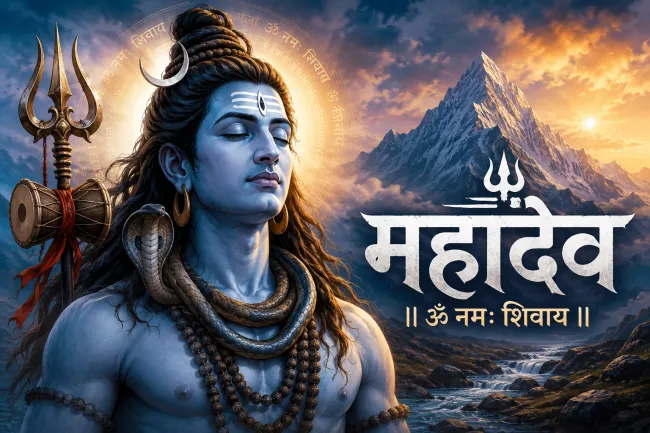
Shiva Tandava Stotram
The Shiva Tandava Stotram is one of the most powerful, majestic, and spiritually uplifting hymns dedicated to Lord Shiva. It is traditionally believed to have been composed by Ravana, the great devotee of Lord Shiva and the legendary king of Lanka. This sacred stotram beautifully describes the divine form, cosmic power, and dynamic energy of Lord Shiva, particularly in his aspect as the Lord of the Tandava, the celestial dance of creation, preservation, and dissolution.
Renowned for its rhythmic structure, poetic brilliance, and profound spiritual symbolism, the Shiva Tandava Stotram has been recited by devotees for centuries. The hymn glorifies Lord Shiva's greatness and inspires devotion, courage, spiritual awareness, and reverence for the Supreme Lord. It is considered one of the most powerful hymns in Shaivism and remains an important part of Shiva worship throughout the world.
The Meaning of Tandava
The word Tandava refers to the cosmic dance performed by Lord Shiva. This dance is not merely a physical movement but a divine expression of the eternal processes that govern the universe. Through the Tandava, Shiva symbolizes creation, preservation, transformation, and dissolution.
The stotram presents Lord Shiva as the cosmic dancer whose movements sustain the rhythm of existence. Every step of his dance represents the continuous cycle of birth, growth, change, decay, and renewal that occurs throughout creation.
The Tandava teaches that change is an inevitable and necessary part of life. Destruction is not viewed as an end but as a transformation that allows new beginnings to emerge. This profound concept lies at the heart of the Shiva Tandava Stotram.
Glorification of Lord Shiva’s Divine Form
One of the central themes of the Shiva Tandava Stotram is the magnificent description of Lord Shiva’s divine appearance. The hymn portrays Shiva as the supreme ascetic and cosmic ruler whose form embodies immense spiritual symbolism.
The verses describe his matted locks flowing with the sacred river Ganga, the crescent moon adorning his head, serpents decorating his body, and sacred ash covering his form. Each of these symbols conveys deeper spiritual truths.
The Ganga represents purity and divine grace, while the crescent moon symbolizes mastery over time and emotional balance. The serpents signify fearlessness and control over worldly desires, and the sacred ash reminds devotees of the temporary nature of material existence.
Through these descriptions, the stotram encourages devotees to contemplate the deeper meanings hidden within Shiva's divine form and teachings.
Celebration of Shiva’s Cosmic Power
The Shiva Tandava Stotram repeatedly emphasizes the immeasurable power and grandeur of Lord Shiva. He is portrayed as the supreme force governing the universe, beyond the limitations of time, space, and creation.
The hymn describes Shiva as the destroyer of ignorance, evil, and negativity. His cosmic dance shakes the heavens, inspires divine beings, and demonstrates his authority over all aspects of existence.
Despite this immense power, Shiva remains detached, peaceful, and compassionate. The stotram highlights the balance between his fierce and benevolent aspects, showing that true strength is always guided by wisdom and righteousness.
Symbolism and Spiritual Lessons
The Shiva Tandava Stotram contains profound spiritual symbolism that offers valuable lessons for devotees and seekers.
Impermanence of the Material World
The stotram reminds individuals that everything in the material world is temporary. Wealth, status, beauty, and possessions eventually fade with time. Shiva's sacred ash symbolizes this truth and encourages spiritual detachment.
Victory Over Ego
Many verses indirectly emphasize the importance of overcoming pride and arrogance. Lord Shiva represents ultimate humility despite possessing infinite power. The hymn teaches that spiritual progress requires surrendering the ego and cultivating humility.
Acceptance of Change
The cosmic dance of Shiva symbolizes constant change and transformation. The stotram encourages devotees to accept life's changes with courage and wisdom rather than fear or resistance.
Inner Strength and Fearlessness
Shiva's fearless appearance adorned with serpents and his mastery over destructive forces inspire devotees to face challenges with confidence and determination. The hymn teaches that spiritual strength arises from inner awareness and faith.
Devotional Significance
The Shiva Tandava Stotram is not merely a poetic composition but also a powerful devotional prayer. It allows devotees to express their love, admiration, and surrender to Lord Shiva.
The intense devotion reflected in the hymn demonstrates the deep connection between a devotee and the Divine. Through recitation, devotees seek Shiva's blessings, protection, wisdom, and spiritual guidance.
The stotram encourages constant remembrance of Lord Shiva and helps cultivate devotion, gratitude, and reverence in the hearts of worshippers.
Philosophical Depth
Beyond its devotional beauty, the Shiva Tandava Stotram contains profound philosophical insights. It portrays Shiva as the eternal consciousness underlying all creation. The hymn teaches that the Divine is both transcendent and immanent—existing beyond the universe while simultaneously present within every aspect of it.
The cosmic dance represents the continuous movement of existence, while Shiva himself symbolizes the unchanging reality behind all change. This concept reflects some of the deepest teachings of Hindu philosophy regarding the relationship between the eternal and the temporary.
Through contemplation of the stotram, devotees are encouraged to look beyond the surface of life and seek the ultimate truth that lies at the heart of existence.
Benefits of Reciting Shiva Tandava Stotram
For generations, devotees have recited the Shiva Tandava Stotram to invoke Lord Shiva’s blessings and cultivate spiritual strength. Traditional beliefs associate the hymn with numerous benefits, including:
- Deepening devotion to Lord Shiva.
- Increasing spiritual awareness and concentration.
- Removing fear, negativity, and mental disturbances.
- Inspiring courage, determination, and confidence.
- Purifying thoughts and emotions.
- Strengthening faith and inner resilience.
- Encouraging self-discipline and humility.
- Bringing peace and harmony to daily life.
- Enhancing meditation and spiritual practice.
- Seeking divine grace and protection.
Because of its powerful rhythm and sacred vibrations, the stotram is often recited during Mahashivaratri, Mondays dedicated to Shiva, and other important religious observances.
Relevance in Modern Life
The teachings and symbolism of the Shiva Tandava Stotram remain highly relevant today. Modern life often involves rapid change, uncertainty, stress, and constant distractions. The stotram reminds individuals that change is a natural part of existence and that inner stability can be cultivated through spiritual awareness.
Its message encourages people to remain fearless during challenges, detached from unnecessary desires, and focused on higher values. By meditating on the cosmic dance of Shiva, individuals can learn to embrace transformation with wisdom and maintain balance amidst life's ups and downs.
The hymn continues to inspire spiritual seekers, devotees, and anyone searching for deeper meaning and purpose.
The Shiva Tandava Stotram is one of the most magnificent and powerful hymns dedicated to Lord Shiva. Revered for its extraordinary poetic beauty, rhythmic intensity, and profound spiritual symbolism, this sacred composition glorifies Lord Shiva as the supreme cosmic dancer and the eternal ruler of the universe. The stotram is traditionally attributed to Ravana, the legendary king of Lanka and an ardent devotee of Lord Shiva.
According to Hindu tradition, Ravana composed this hymn while expressing his deep devotion and surrender to Lord Shiva. The stotram is filled with vivid descriptions of Shiva’s divine form, cosmic energy, spiritual grandeur, and the celestial dance known as the Tandava. Through its powerful verses, the hymn reveals the limitless glory of Lord Shiva and inspires devotees to cultivate devotion, courage, wisdom, and spiritual awareness.
The Shiva Tandava Stotram occupies a special place in Shaiva tradition and is recited by millions of devotees worldwide. Its sacred vibrations, profound meanings, and devotional depth make it one of the most cherished hymns in Hindu spirituality.
Origin and Historical Significance
Ancient traditions narrate that Ravana, the mighty king of Lanka, was one of the greatest devotees of Lord Shiva. Filled with devotion and spiritual fervor, he performed intense austerities to obtain Shiva's blessings. During one such episode, Ravana attempted to lift Mount Kailash, the divine abode of Lord Shiva.
To humble Ravana and teach him a spiritual lesson, Lord Shiva gently pressed the mountain with his toe, trapping Ravana beneath it. Realizing the greatness of the Supreme Lord, Ravana abandoned his pride and began singing hymns of praise. It is believed that the Shiva Tandava Stotram emerged from this profound experience of devotion, surrender, and divine realization.
This story highlights one of the central teachings of the stotram: true spiritual greatness comes not from power or knowledge alone but from humility and devotion to the Divine.
Meaning of the Tandava
The word Tandava refers to the divine cosmic dance performed by Lord Shiva. This dance is one of the most profound symbols in Hindu philosophy. It represents the eternal cycles of creation, preservation, destruction, transformation, and regeneration that govern the universe.
Shiva’s Tandava is not merely a physical dance but a cosmic expression of divine energy. Every movement symbolizes the continuous flow of existence. Through the Tandava, Shiva creates new worlds, sustains life, destroys negativity, and prepares the way for renewal.
The dance teaches that change is an unavoidable and necessary aspect of life. Just as old forms must dissolve for new growth to occur, transformation is essential for spiritual evolution. The Shiva Tandava Stotram beautifully celebrates this cosmic process and the divine power behind it.
Description of Lord Shiva’s Divine Form
One of the most remarkable features of the Shiva Tandava Stotram is its vivid and majestic portrayal of Lord Shiva’s appearance. The hymn paints a picture of Shiva as both a supreme ascetic and an all-powerful cosmic ruler.
The stotram describes his matted locks through which the sacred river Ganga flows. This symbolizes purity, divine grace, and the flow of spiritual knowledge. The crescent moon adorning his head signifies mastery over time and emotional balance.
The hymn also praises the serpents that decorate Shiva’s neck and body. These serpents represent fearlessness, self-control, and victory over death. The sacred ash covering his body symbolizes the impermanence of worldly existence and reminds devotees to seek eternal spiritual truths rather than temporary material pleasures.
The tiger skin worn by Shiva represents victory over animal instincts and uncontrolled desires, while his trident symbolizes mastery over creation, preservation, and destruction. Together, these symbols reveal the depth of Shiva’s spiritual and cosmic significance.
The Power and Majesty of Shiva
Throughout the stotram, Lord Shiva is portrayed as the supreme force governing the universe. His power transcends all limitations and extends beyond time, space, and creation itself.
The verses describe the immense energy generated by Shiva’s cosmic dance. His movements shake the heavens, inspire divine beings, and demonstrate his authority over all existence. Yet despite this immense power, Shiva remains detached, compassionate, and immersed in divine bliss.
The stotram emphasizes that true power is not destructive for its own sake. Rather, Shiva uses his divine energy to remove ignorance, destroy negativity, and guide souls toward spiritual awakening. His power is always balanced by wisdom, compassion, and righteousness.